Wholesale Vintage Clothing: Bundle Types, Categories and Resale Potential
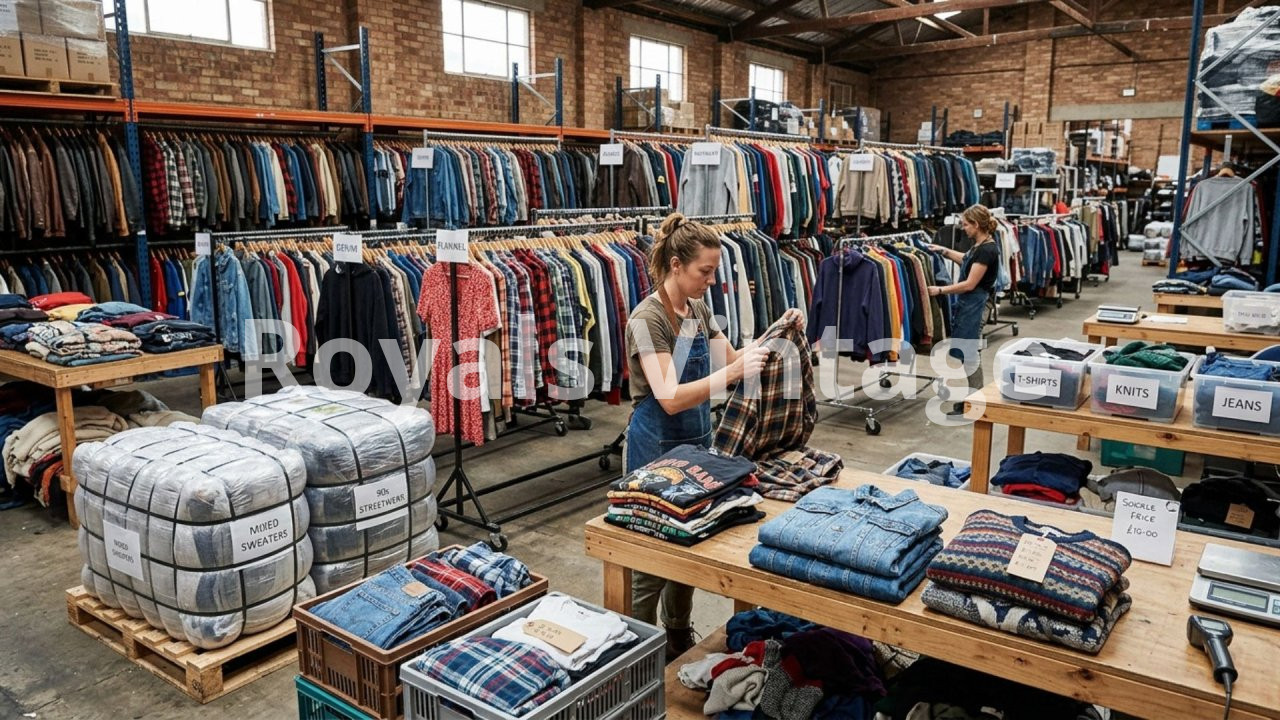
Wholesale Vintage Clothing: What Is Inside the Bundle and How to Turn It Into Profit
When you buy wholesale vintage clothing, you are not just buying a quantity of garments. You are buying a mix of categories, eras, grades, and sizes, and the mix decides how much money you make. Two bundles at the same price can produce completely different results, depending on what is inside and how well you prepare and sell it.
This guide looks at wholesale vintage clothing from the product side: the types of bundles you can buy, the categories that sell best, how pricing models really work, how to plan stock by season, and how to get items ready to sell.
Read More: https://royalsvintage.com/blog/vintage-wholesale/designer-clothes-wholesale
What Is Wholesale Vintage Clothing?
Wholesale vintage clothing means buying vintage and retro garments in bulk at a lower price per piece than retail, then reselling them individually. Garments are generally considered vintage when they are at least 20 years old, so stock often includes pieces from the 1980s, 1990s, and early 2000s.
Types of Wholesale Vintage Clothing Bundles
Mixed Bundles
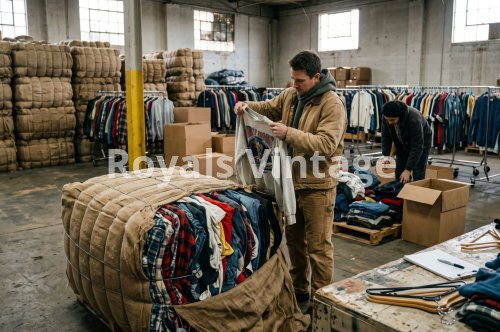
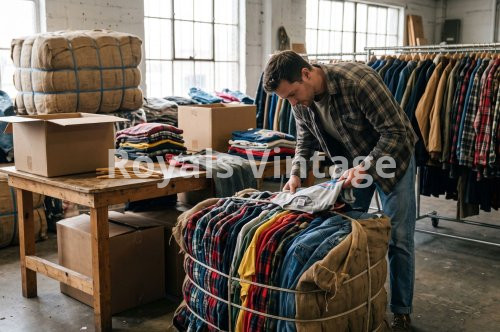
A random mix of categories, sizes, and eras. They are the cheapest option, but results vary and you may need to sort a lot of items.
Category Bundles
Bundles containing one type of item, such as denim jackets, sweatshirts, or track tops. They are easier to price, photograph, and list, and they let you focus on what your customers want.
Era Bundles
Stock grouped by decade, such as 80s, 90s, or Y2K. These suit stores built around a clear retro style.
Brand Bundles
Bundles built around recognised labels, such as sportswear or denim brands. They usually cost more but sell faster and at higher prices. Always check how the brand pieces were identified and graded.
Curated Bundles
Hand-picked pieces chosen for style, condition, and resale appeal. Prices are higher, but items are often ready to photograph and list. Royals Vintage offers curated vintage stock for resellers who want unique pieces without sorting through large mixed lots.
What Is Usually Inside a Vintage Bundle?
Denim
Jackets, jeans, shorts, and skirts. Denim has steady demand and good resale value, especially in classic washes and relaxed fits.
Sweatshirts and Hoodies
Heavyweight cotton, collegiate prints, and sports logos are popular, and they sell well in cooler months.
Sportswear and Track Tops
Windbreakers, track jackets, football shirts, and tracksuit pieces. They are consistently in demand with younger buyers.
T-Shirts and Graphic Tees
Easy to ship and store. Faded prints and band or sports graphics tend to sell best.
Jackets and Coats
Bomber, varsity, workwear, and wool styles have higher resale prices but take up more storage space.
Knitwear
Patterned jumpers and cardigans sell strongly in autumn and winter.
Shirts, Flannels and Blouses
Reliable everyday sellers, with checks, stripes, and retro prints attracting the most interest.
Which Categories Have the Best Resale Potential?
Resale potential depends on your market, but this is a useful starting framework:
- Higher value per piece: jackets, coats, branded sportswear, quality denim.
- Fast-moving mid-range: sweatshirts, track tops, knitwear, graphic tees.
- Volume builders: t-shirts, shirts, and basics that bring customers in.
A healthy stock mix usually combines all three: a few high-value pieces, a core of mid-range sellers, and a layer of affordable basics.
Per Kilogram vs. Per Piece Pricing
Pricing Per Piece
You pay a fixed price for each item. It is the clearest model, and it works best for curated and branded stock.
Pricing Per Kilogram
Common for sorted vintage and secondhand lots. Your price per piece depends on garment weight.
Why Weight Changes Your Cost
A kilogram of t-shirts contains many more items than a kilogram of coats. A heavy-item bundle can look cheap per kilo but cost more per piece.
Example
Imagine two bundles priced at the same amount per kilogram:
- Bundle A: 10 kg of t-shirts, around 40 pieces.
- Bundle B: 10 kg of jackets, around 15 pieces.
Bundle B costs far more per piece, but each jacket can also sell at a much higher price. The right choice depends on your expected selling price, not just the cost.
Always Calculate Cost per Sellable Piece
Cost per sellable piece = (bundle cost + shipping + taxes and duty + packaging) ÷ number of sellable items
Divide by sellable items, not the number you ordered.
How to Estimate Your Profit Before You Order
For each category in a bundle, estimate:
- How many pieces you expect to be sellable.
- A realistic selling price, based on recent sold listings.
- Your selling costs, such as platform fees, packaging, and advertising.
- The time needed for cleaning, photography, and listing.
Add up the expected sales and subtract your total costs. If the margin is thin on paper, it will usually be thinner in practice. Aim for a margin that still works if some items sell slowly or need discounting.
Seasonal Planning for Wholesale Vintage Clothing
Autumn and Winter
Coats, jackets, sweatshirts, knitwear, and flannels. Order early so stock is listed before the cold arrives.
Spring
Light denim jackets, track tops, windbreakers, and long-sleeve tees.
Summer
T-shirts, shorts, light shirts, and sportswear. Football shirts often sell well around major sporting events.
Year-Round Basics
Denim, graphic tees, and sweatshirts sell across seasons and keep cash flowing.
Allow time for delivery, cleaning, and photography. Stock that arrives just as the season ends will sit unsold.
Sizes: What to Expect in Vintage Bundles
Vintage sizing is inconsistent, and many pieces run large or boxy. Medium and large usually sell fastest, but oversized fits are popular in vintage, so larger sizes often perform well. Ask whether you can request size ranges, and always measure items instead of trusting labels.
How to Prepare Wholesale Vintage Clothing for Sale
Step 1: Count and Sort
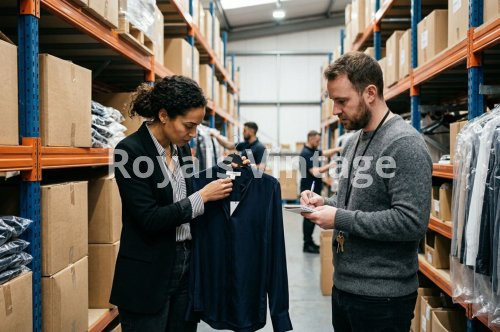
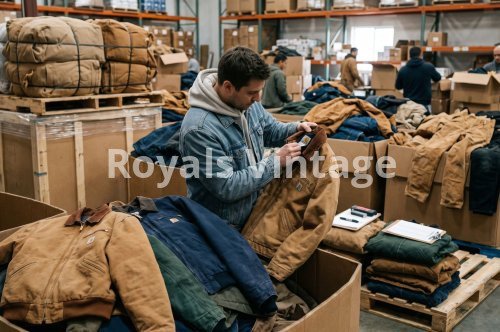
Check the delivery against your invoice, then sort items by category and condition.
Step 2: Inspect Each Piece
Check collars, cuffs, underarms, hems, zips, buttons, prints, and seams. Separate items into ready to sell, needs work, and not sellable.
Step 3: Clean Gently
Wash using cold water and mild detergent where suitable. Turn prints inside out and avoid high heat. Delicate or valuable items may need hand washing.
Step 4: Repair and Steam
Fix loose buttons and small seams, then steam out creases so items look their best in photos.
Step 5: Measure
Record chest, length, sleeve, waist, and inseam measurements. Accurate measurements reduce returns.
Step 6: Photograph
Use natural light and a clean background. Show the front, back, label, and any flaws.
Step 7: Write Honest Listings
Include size, measurements, fabric, era, and condition. Never call modern copies vintage.
Where to Sell Wholesale Vintage Clothing
- Your own online store: best margins and brand control.
- Resale apps and marketplaces: large ready-made audiences, but more competition and fees.
- Instagram and TikTok: short videos and drops work especially well for vintage.
- Markets and pop-ups: good for customers who want to touch and try items.
Many resellers combine two or three channels, using apps for faster sales and their own store for higher margins.
Tips to Increase Your Sell-Through Rate
- Group items into themed drops, such as 90s sportswear or autumn knitwear.
- Price slow movers down after a set period instead of leaving them indefinitely.
- Bundle low-priced items into offers to raise order value.
- Use clear titles with brand, item type, era, and size.
- Reuse photos of successful listings as a style guide.
- Track which categories sell fastest and reorder those first.
Common Mistakes With Wholesale Vintage Clothing
- Buying by weight without estimating cost per piece.
- Ordering a large bundle before testing a small one.
- Ignoring the time needed to clean, repair, and photograph.
- Buying too much heavy outerwear without storage space.
- Overpricing average items and underpricing rare ones.
- Describing modern or reproduction items as vintage.
- Not tracking which categories sell best.
Frequently Asked Questions About Wholesale Vintage Clothing
What is wholesale vintage clothing?
It is vintage and retro clothing sold in bulk to resellers at a lower price per piece, so it can be resold individually for profit.
What types of vintage bundles can I buy?
Common types include mixed bundles, category bundles, era bundles, brand bundles, and curated bundles.
Is it better to buy vintage clothing by the kilo or by the piece?
Per-kilo pricing can be cheaper for sorted lots, but your cost per piece depends on garment weight. Per-piece pricing is clearer, especially for curated stock. Always calculate cost per sellable piece.
Which vintage categories sell best?
Denim, sweatshirts, sportswear, graphic tees, and jackets are consistently popular, though demand varies by market and season.
How many items are usually unsellable in a bundle?
It depends on the supplier and grade. Ask how items are graded and what counts as a defect, then test with a small order.
Can I choose sizes and categories?
Some suppliers allow category or size requests, while others sell fixed mixed lots. Ask before ordering.
How should I clean vintage clothing before selling?
Wash gently in cold water with mild detergent, avoid high heat, and air dry. Check care labels, and treat delicate items carefully.
How much should I spend on my first vintage bundle?
Spend only what you can afford to lose, and keep money aside for shipping, photography, packaging, and marketing.
Conclusion
Wholesale vintage clothing is most profitable when you understand what is inside your bundle. Choose the right bundle type, calculate your cost per sellable piece, plan stock around the seasons, and invest time in cleaning, measuring, and photographing every item. Start small, track what sells, and reorder your best categories with confidence.
Ready to source unique vintage stock? Explore the collection at Royals Vintage and discover curated vintage pieces selected for style and quality.