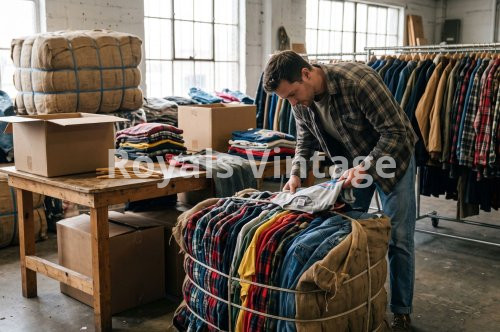
Vintage Bundle: How to Choose the Right Size, Type and Price
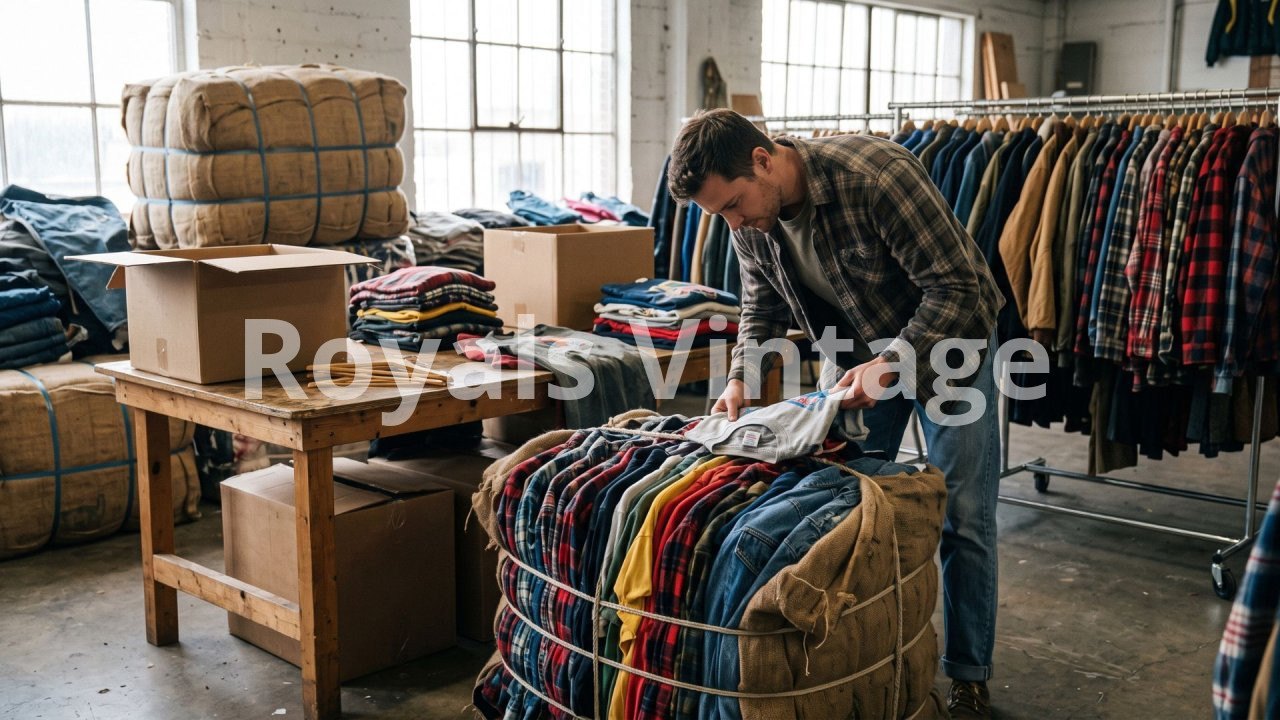
A vintage bundle looks simple: a pack of vintage clothes at one price. But bundles differ a lot. Some are carefully chosen, some are random mixes, and some are priced so high that no one could make a profit. Whether you are a reseller building stock or a shopper who loves a bargain, knowing what to look for makes the difference between a great deal and a box of disappointments.
This guide explains what a vintage bundle is, how to choose the right size, how mystery and curated bundles compare, how to judge value, and how to turn bundles into profit.
Read More: https://royalsvintage.com/blog/vintage-wholesale/vintage-sports-t-shirts
What Is a Vintage Bundle?
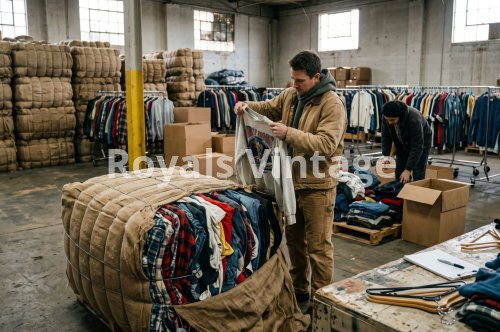
A vintage bundle is a pack of vintage or retro clothing sold together at a lower price per piece than buying items one by one. Bundles are bought by resellers who want stock, and by shoppers who want to refresh their wardrobe affordably.
Most bundles fall into one of these groups:
- Mystery bundles: you do not choose the items.
- Choose-your-category bundles: you pick a type, such as denim or sweatshirts.
- Curated bundles: the seller hand-picks pieces around a theme.
Who Buys Vintage Bundles?
Resellers and Online Sellers
They buy bundles to list items individually on their own store, resale apps, or social media.
Market Stall and Pop-Up Sellers
They need a mix of price points and sizes for quick restocking.
Shoppers Building a Wardrobe
They buy bundles to get several pieces at a lower price than buying separately.
Stylists, Creators and Costume Buyers
They use bundles for shoots, content, and wardrobe pulls.
Choosing the Right Bundle Size
Size is the first decision, and it depends on your budget, storage space, and time.
Small Bundles (about 5 to 15 pieces)
Best for: beginners, shoppers, and anyone testing a supplier.
Why: low risk, easy to inspect, quick to sell.
Medium Bundles (about 20 to 50 pieces)
Best for: growing resellers who know which categories sell.
Why: better price per piece, still manageable to clean, photograph, and list.
Large Bundles (50 to 100 or more pieces)
Best for: experienced resellers with storage space, time, and sales channels.
Why: lowest price per piece, but more money tied up and more sorting work.
A Simple Rule
Choose the size you can clean, photograph, list, and sell within a few weeks. Stock that sits unlisted is money that is not working.
Mystery Bundle vs. Choose-Your-Category Bundle vs. Curated Bundle
Mystery Bundles
Pros: usually the lowest price and a fun surprise.
Cons: unpredictable quality, categories, and sizes.
Best for: shoppers who enjoy variety and experienced resellers who can sort quickly.
Choose-Your-Category Bundles
Pros: you know the type of item, so pricing and listing are easier.
Cons: price per piece is higher than mystery bundles.
Best for: sellers with a clear niche, such as denim or sportswear.
Curated Bundles
Pros: hand-picked, consistent quality, often ready to photograph.
Cons: the highest price per piece.
Best for: boutiques, Instagram sellers, and anyone who values time over the lowest price. Royals Vintage offers curated vintage stock for resellers who want unique pieces without heavy sorting.
Which Should You Choose?
- First order or small budget: a small mystery or choose-your-category bundle.
- Clear niche: a choose-your-category bundle.
- Premium or boutique store: a curated bundle.
What Makes a Good Vintage Bundle?
Ask these questions before you buy.
Is the Content Described Clearly?
A good listing explains the categories, approximate quantities, and sizes, even if the exact items are a surprise.
Is the Grading Explained?
You should know what “good condition” means and whether stains, holes, or repairs are possible.
Are There Real Photos?
Look for photos or videos of actual bundles, not only stock images.
Is the Mix Sensible?
A bundle with a balance of higher-value pieces, mid-range items, and basics is easier to sell than one full of low-value items.
Is the Pricing Transparent?
Check whether the price includes shipping, taxes, and any extra fees.
Is There a Clear Policy?
The seller should explain what happens if items are missing or not as described.
How to Judge Value: Price Per Piece Is Not Enough
Calculate Your Cost Per Sellable Piece
Cost per sellable piece = (bundle price + shipping + taxes + cleaning/repair + packaging) ÷ number of sellable items
Example
Imagine a 30-piece bundle:
- Bundle price: 300
- Shipping: 45
- Cleaning and packaging: 15
- Total: 360
If 27 items are sellable, your real cost is about 13.33 per piece. If you expect to sell those items at an average of 30 each, your gross margin is roughly 16.67 per piece before platform fees and advertising. The numbers are only an example, but the method works for any currency.
Estimate Before You Buy
- Guess how many pieces are likely sellable.
- Estimate a realistic selling price using recent sold listings.
- Subtract selling costs, such as platform fees and packaging.
- Check that the margin still works if some items sell slowly.
A Sample Vintage Bundle Breakdown
A healthy mixed bundle might look like this:
- A few higher-value pieces: jackets, branded sportswear, or standout denim.
- A core of mid-range items: sweatshirts, knitwear, graphic tees.
- A layer of basics: t-shirts and shirts that bring buyers in.
- A few weaker items: these are normal in any bundle.
Do not expect every piece to be a winner. A good bundle earns its profit from the strong and mid-range pieces, while basics keep your store active.
What to Do When Your Vintage Bundle Arrives
Step 1: Check the Delivery
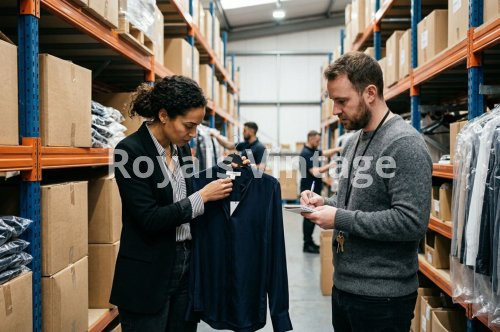
Count the items and compare them with the order details. Photograph the parcel and contents straight away.
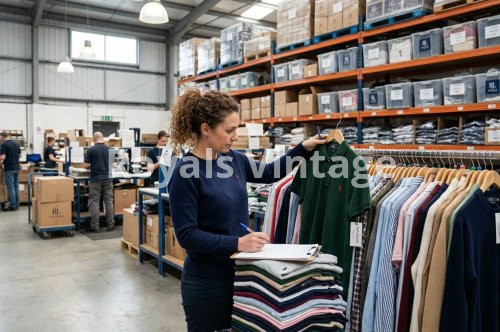
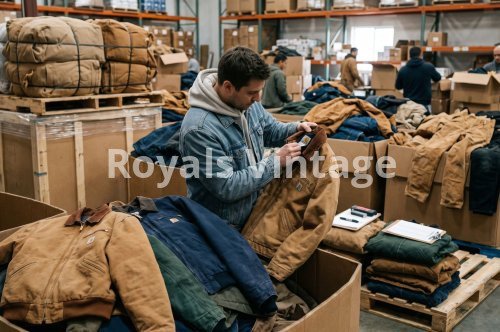
Step 2: Sort Into Groups
- Ready to sell: clean and in good condition.
- Needs work: washing, repair, or steaming.
- Not sellable: too damaged to fix.
Step 3: Calculate Your Real Cost
Use the cost per sellable piece formula with your actual numbers.
Step 4: Clean Gently
Wash in cold water with mild detergent, turn prints inside out, and avoid high heat. Handle delicate or valuable items separately.
Step 5: Measure and Photograph
Record chest, length, sleeve, and waist measurements, then photograph each item in natural light.
Step 6: List and Track
Write honest titles and descriptions, then track which items sell fastest.
Step 7: Give Feedback
Tell your supplier what worked. Good suppliers use feedback to improve your next bundle.
How to Create and Sell Your Own Vintage Bundles
Many resellers earn more by making bundles for their own customers.
Themed Bundles
Group items by theme, such as 90s sportswear, autumn knitwear, or denim basics.
Size-Based Bundles
Offer bundles in common sizes, so buyers know the pieces will fit.
Starter Bundles for Reseller Customers
If you sell wholesale, create small starter bundles so new buyers can test your stock.
Capsule Wardrobe Bundles
Combine three to five versatile pieces, such as a denim jacket, sweatshirt, and jeans.
Pricing Your Bundles
- Add up the individual selling prices.
- Apply a modest discount that still protects your margin.
- Make sure the bundle price is clearly better value than buying separately.
Selling Tips
- Use clear photos of every item in the bundle.
- List what is included and the sizes.
- Offer free shipping above a set order value.
- Use bundles to move slower items alongside popular ones.
Where to Buy Vintage Bundles
- Online vintage wholesalers and stores: easiest to compare and order from home.
- Social media sellers: many show bundles in videos and live sales.
- Vintage fairs and trade events: inspect stock in person.
- Resale marketplaces: quick and flexible, but quality varies by seller.
Check business details, reviews, and sample quality before committing to larger bundles.
Red Flags When Buying a Vintage Bundle
- Prices far below every other seller.
- No description of contents, grading, or sizes.
- Stock photos only, with no real bundle photos.
- Pressure to buy immediately.
- No clear policy for missing or incorrect items.
- Claims that every piece is “rare” or “designer” without proof.
- Hard-to-trace payment methods only.
If several of these appear together, choose another seller.
Common Mistakes When Buying Vintage Bundles
- Choosing only on price per piece.
- Starting with a large bundle before testing a small one.
- Ignoring shipping, cleaning, and time costs.
- Expecting every item to be perfect or high value.
- Not checking sizes or categories before ordering.
- Buying more than you can list and sell quickly.
- Not tracking which bundle types perform best.
Frequently Asked Questions About Vintage Bundles
What is a vintage bundle?
A vintage bundle is a pack of vintage or retro clothing sold together at a lower price per piece than buying items individually.
What is a vintage mystery bundle?
It is a bundle where you do not choose the items. The seller picks them, usually from certain categories or themes, so the contents are a surprise.
How big should my first vintage bundle be?
A small bundle of about 5 to 15 pieces is a good first order. It lets you test quality and delivery with low risk.
Are vintage bundles worth it?
They can be, especially when you calculate cost per sellable piece and choose a seller with clear grading and honest descriptions.
Can I choose the sizes in a vintage bundle?
Some sellers let you request sizes or categories, while others sell fixed lots. Ask before you buy.
Will every item in a bundle be sellable?
Usually not. Expect a few weaker items in any bundle, and ask the supplier how items are graded.
How do I make a profit from a vintage bundle?
Calculate your real cost per sellable piece, price from recent sold listings, present items well with clear photos, and track which pieces sell fastest.
Can I create my own vintage bundles to sell?
Yes. Themed, size-based, and starter bundles are popular ways to raise order value and move slower stock.
Conclusion
A great vintage bundle is not simply the cheapest one. It is the bundle that matches your budget, time, and sales channel, with clear descriptions and fair grading. Start small, calculate your real cost per sellable piece, inspect every delivery, and learn which bundle types sell best. Once you know what works, you can scale up or create your own bundles for customers.
Ready to choose your first bundle? Explore the collection at Royals Vintage and discover curated vintage pieces selected for style and quality.