Designer Clothes Wholesale: How to Source Authentic Stock and Avoid Fakes
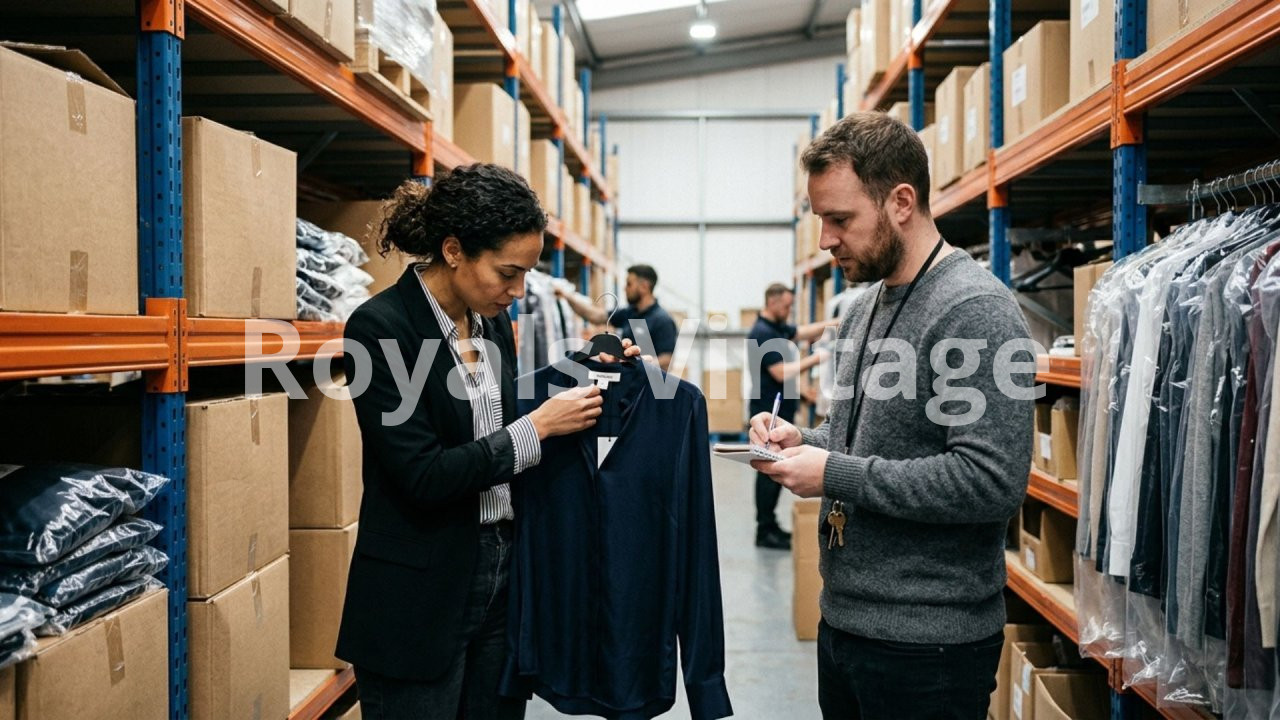
Designer Clothes Wholesale: How to Source Authentic Stock and Avoid Costly Mistakes
Designer clothes wholesale looks like the perfect business idea: high-value products, strong brand recognition, and bigger profit per sale. But it is also the part of the wholesale market with the most fake stock, the most scams, and the strictest legal rules. One counterfeit item can lead to seized goods, closed accounts, and a ruined reputation.
This guide explains how designer clothes wholesale really works, where authentic stock comes from, how to verify it, what the legal risks are, and how to price designer items for profit.
Read More: https://royalsvintage.com/blog/vintage-wholesale/buy-wholesale-clothing
What Is Designer Clothes Wholesale?
Designer clothes wholesale means buying genuine designer and luxury garments in bulk at a lower price per piece than retail, then reselling them to customers. Depending on the source, the stock may be brand-new, surplus, or pre-owned.
Designer vs. Luxury vs. Premium
- Premium or contemporary brands: higher quality than high-street fashion, with more accessible prices.
- Designer brands: well-known fashion labels with strong design identity.
- Luxury houses: top-tier brands with the highest prices and the strictest control over who can sell their products.
The higher the tier, the harder it is to buy wholesale directly and the more careful you must be about authenticity.
Why Designer Wholesale Is Different From Regular Wholesale
Brands Control Distribution
Many designer brands only supply approved retailers. Open wholesale access to new luxury stock is limited, which is why “cheap designer wholesale” offers should be treated with caution.
Authenticity Is the Biggest Risk
Counterfeits are common in this category. A fake item is not just a bad product. Selling it can create legal problems, even if you did not know it was fake.
Buyers Expect Proof
Customers who pay premium prices expect authenticity guarantees, clear descriptions, and professional presentation.
Margins Are Higher, but So Is Capital at Risk
One bad order can cost far more than a mistake in everyday clothing.
Where Authentic Designer Wholesale Stock Comes From
Authorised Distributors and Brand Trade Accounts
The safest source for new stock. You apply to the brand or its authorised distributor, and they may check your business, sales channels, and brand fit. Expect minimum orders, opening requirements, and rules on how you can advertise and price.
Off-Price and Surplus Suppliers
Retailers and brands sometimes sell excess, end-of-season, or cancelled-order stock through off-price channels. Prices can be much lower than retail, but styles and sizes vary, and the supplier must be able to show where the stock came from.
Pre-Owned and Vintage Designer Wholesalers
Many resellers buy authenticated pre-owned or vintage designer pieces by the lot. This route is more accessible than new luxury, because supply comes from resale, estate clearances, and sorted vintage stock. Always confirm how each item was checked. Royals Vintage works with curated vintage stock, so check which brands are available in each bundle before you order.
Consignment Partners and Auctions
Consignment stores and auction houses can offer authenticated designer pieces. Prices can rise quickly, so calculate your margin before bidding.
Liquidation and Bankruptcy Stock
Stock from closed retailers can be genuine and cheap, but it can also be mixed with unverified items. Ask for documentation, such as invoices and original supplier details.
How to Verify Authenticity Before You Buy
No single check proves a designer item is real. Use several checks together.
Ask for Documentation
Request invoices, purchase records, or supplier paperwork. A legitimate seller can usually explain where the stock came from.
Examine the Labels and Tags
Look at logo spelling, font, spacing, stitching, and tag placement. Poor print quality or uneven stitching is a warning sign.
Check Hardware and Fabric
Zips, buttons, and trims on genuine designer clothing are usually well made. Compare weight, finish, and feel with a known authentic piece.
Inspect Construction
Look at seams, linings, hems, and pattern matching. Genuine pieces typically show consistent, careful finishing.
Compare Against Trusted References
Use the brand’s own information, collector communities, and trusted authentication services to compare details. Label details change over time, so check the correct era.
Use Professional Authentication for Higher-Value Pieces
For expensive items or large lots, paying for an independent authentication service is cheaper than buying counterfeits.
Be Careful With Prices
If a new designer item costs a fraction of retail with no clear explanation, assume it needs extra proof.
Legal Risks When Buying Designer Wholesale
Rules differ by country, so check local law or speak to a legal professional before buying in volume.
- Counterfeit goods: selling fakes can lead to seizure of goods, fines, and legal action, even if you did not know the items were fake.
- Trademark rules: do not use a brand’s logo or name in a way that suggests you are an official partner unless you are one. Describe items honestly, for example “pre-owned” or “vintage.”
- Parallel imports and grey market stock: genuine goods bought outside the official supply chain can face restrictions in some markets.
- Customs checks: suspicious branded shipments may be inspected or held.
- Consumer law: you must describe items accurately, including condition and whether they are new, used, or vintage.
- Record keeping: keep invoices, supplier details, and authentication records for every purchase.
Never describe yourself as an “authorised dealer” or “official stockist” unless the brand has approved you.
How to Price Designer Clothes for Profit
Know Your True Cost
Cost per sellable piece = (product cost + shipping + taxes and duty + insurance + authentication + payment fees) ÷ number of sellable items
Insurance and authentication are extra costs that matter more with designer stock.
Research Current Market Prices
Check what comparable items sell for in your market. Brand, season, condition, size, and demand all affect price.
Price by Tier
- Premium and contemporary: faster sales, smaller margins per item.
- Designer: balanced margin and volume.
- Luxury: high margin per item, but slower sales and higher risk.
Remember Platform and Return Costs
Marketplace fees, payment fees, and returns can reduce your profit more than expected.
What Sells Best in Designer Wholesale?
- Outerwear, coats, and leather jackets
- Knitwear and cashmere
- Denim from well-known designer labels
- Branded sportswear and streetwear
- Shirts, blazers, and tailored pieces
- Vintage designer pieces with distinctive styling
Demand changes with trends and seasons, so check recent sales before buying large quantities.
Red Flags in Designer Wholesale Offers
- Prices that seem far too good for new stock.
- No business address, company details, or verifiable history.
- Refusal to provide invoices or proof of sourcing.
- Pressure to pay quickly or “before the stock disappears.”
- Payment requests only by hard-to-trace methods.
- Stock photos only, with no real photos or videos.
- Claims of being an “official supplier” without proof.
- Vague answers about where the stock came from.
If several of these appear together, walk away.
Protect Yourself: A Safe Buying Process
- Verify the business: check company records, reviews, and contact details.
- Ask for sourcing details: where the stock came from and how it was verified.
- Request real photos or video: include labels, hardware, and tags.
- Order a small test lot: never start with a large order.
- Authenticate on arrival: inspect and, for valuable items, use a professional service.
- Pay with traceable methods: keep receipts and written terms.
- Confirm the returns policy: especially for items found to be not authentic.
- Document everything: keep invoices, photos, and messages.
How to Sell Designer Clothes Successfully
Write Honest, Detailed Listings
Include brand, size, measurements, material, condition, and whether the item is new, used, or vintage.
Use Clear Photos
Show the full item, the label, any hardware, and flaws.
Be Transparent About Authenticity
Explain how the item was sourced or checked, without making claims you cannot prove.
Choose Sales Channels Carefully
Your own store, resale apps, and social media all work, but some marketplaces have brand-specific rules. Read each platform’s policy.
Offer Clear Returns and Support
Premium buyers value clear policies and quick responses.
Common Mistakes in Designer Clothes Wholesale
- Trusting unusually low prices.
- Skipping documentation and authentication.
- Ordering large quantities before a test lot.
- Ignoring trademark and customs rules.
- Forgetting insurance, shipping, and authentication costs.
- Describing items inaccurately.
- Buying only on brand name without checking condition and demand.
- Depending on one supplier.
Frequently Asked Questions About Designer Clothes Wholesale
Can I buy designer clothes wholesale?
Yes, but access depends on the brand and the source. New luxury stock is usually restricted to approved retailers, while surplus, pre-owned, and vintage designer stock is easier to access.
Is wholesale designer clothing real?
It can be, but only when it comes from a verified source. Always ask for documentation and authenticate the stock before reselling.
How do I know if a designer wholesale supplier is legitimate?
Check business details, ask for sourcing information and invoices, request real photos, read independent reviews, and start with a small test order.
Why are some designer wholesale prices so low?
Genuine surplus and pre-owned stock can be discounted, but extremely low prices for new designer items are often a sign of counterfeits or scams.
Is it legal to resell designer clothes?
Reselling genuine items is generally legal in many markets, but rules vary. Selling counterfeits is illegal, and you must not imply an official partnership with a brand unless you have one. Check local law.
Do I need a trade account to buy designer wholesale?
For new stock from brands or authorised distributors, usually yes. For pre-owned or vintage wholesale, requirements depend on the supplier.
What designer items are best for resellers?
Outerwear, knitwear, denim, branded sportswear, and well-conditioned vintage designer pieces are popular, but always check current demand.
Can I start with a small order?
Yes, and you should. Many suppliers offer starter lots. Confirm the minimum order and test quality before scaling.
Conclusion
Designer clothes wholesale can be profitable, but only if you prioritise authenticity and legal safety over price. Choose verified sources, ask for documentation, authenticate what you buy, calculate your true cost, and describe every item honestly. Start small, learn which pieces sell best, and grow your range with trusted suppliers.
If you are looking for distinctive pieces for your resale business, explore the collection at Royals Vintage and discover curated vintage stock selected for style and quality.