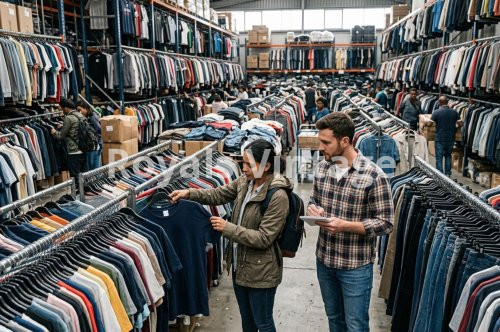
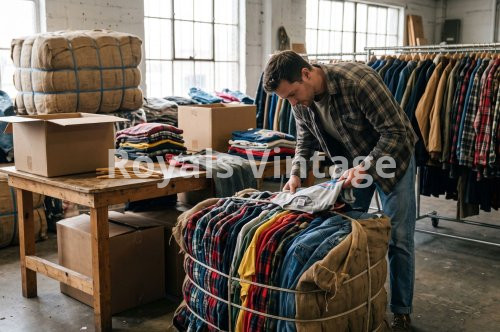
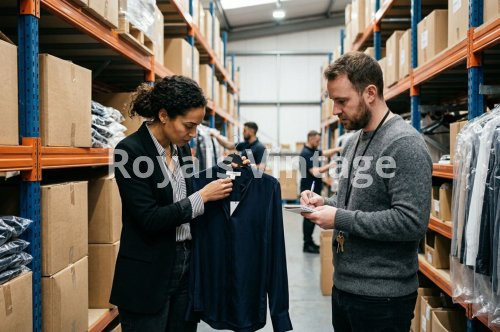
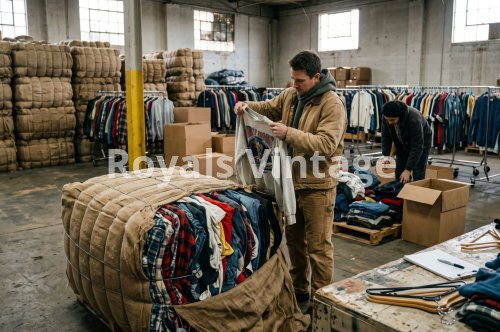
Buy Clothes in Bulk: A Practical Guide for Resellers, Teams and Families
Buy Clothes in Bulk: How to Get the Best Value for Your Purpose and Budget
Buying clothes in bulk can save a lot of money, but only when the order matches your purpose. A reseller, a school, a charity, and a growing family all need very different things. The wrong bulk order leaves you with unwanted stock, wrong sizes, and money tied up in boxes.
This guide explains who buys clothes in bulk, how bulk pricing works, what to buy for each purpose, and how to avoid the mistakes that make bulk buying expensive.
Read More: https://royalsvintage.com/blog/vintage-wholesale/ralph-lauren-wholesale
Why Buy Clothes in Bulk?
Lower Cost Per Item
Suppliers reduce the price per piece when you order larger quantities, because they save on packing, handling, and selling costs.
Consistent Supply
Buying a large batch at once means matching styles, sizes, and quality across all your items.
Fewer Orders to Manage
One large order is often simpler than many small ones, with fewer delivery fees and less admin.
Room to Profit or Save
Resellers earn a margin on each sale. Teams, schools, and families keep the savings for themselves.
Who Buys Clothes in Bulk?
Resellers and Online Sellers
They buy in bulk to resell at a higher price through online stores, social media, markets, or resale apps.
Schools, Teams and Clubs
They need matching clothing for students, players, or members, often with printing or embroidery.
Businesses and Employers
Companies buy uniforms, workwear, and branded clothing for staff.
Event Organisers
Festivals, promotions, and fundraisers often need large quantities of t-shirts, hoodies, or caps.
Charities and NGOs
They buy or collect large amounts of clothing for people in need, often prioritising durability and low cost.
Families
Parents buy basics in bulk because children outgrow clothes quickly, and plain items such as socks, tees, and leggings are used constantly.
Which Bulk Option Suits Your Purpose?
- Reselling for profit: sorted used, vintage, surplus, or new unbranded stock.
- Teams, schools and businesses: new plain or custom-printed clothing in matching sizes.
- Events and promotions: new blank t-shirts, hoodies, and caps.
- Charities and NGOs: durable used clothing or surplus basics at low cost.
- Families: new basics in multipacks, or good-quality used clothing for children.
Decide your purpose before you compare prices. The cheapest option is useless if it does not fit your goal.
New vs. Used Clothes in Bulk
New Clothes
Best for: uniforms, events, matching sets, and customers who expect unused items.
Watch out for: higher cost per piece and minimum order quantities.
Used and Secondhand Clothes
Best for: resellers, charities, and budget buyers.
Watch out for: variable condition, so ask how the stock is graded.
Vintage Clothes
Best for: resellers who want unique products and higher margins.
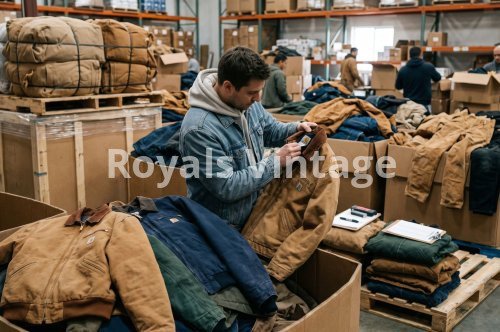
Watch out for: higher price per piece than basic used stock, and the need to inspect and prepare items. Royals Vintage offers curated vintage stock for resellers who want pieces that stand out.
Surplus and Overstock
Best for: buyers who want new items at a reduced price.
Watch out for: limited sizes, colours, and styles.
How Bulk Pricing Works
Price Breaks
Many suppliers use tiers. For example, the price per piece drops at certain quantities. Always ask for the full price list, not only the headline price.
Price Per Piece, Per Pack or Per Kilogram
- Per piece: clearest and best for new or curated stock.
- Per pack or carton: common for new basics, with fixed quantities.
- Per kilogram: common for used and vintage clothing, where cost per item depends on garment weight.
Minimum Order Quantity (MOQ)
The smallest order a supplier accepts. A lower MOQ means less risk, but possibly a higher price per item.
Extra Costs to Add
- Shipping and courier fees
- Import taxes or customs charges, if buying from overseas
- Printing, embroidery, or labelling, if customising
- Packaging, storage, and cleaning
- Payment and currency fees
How to Calculate Your Real Cost Per Item
Cost per usable item = (order cost + shipping + taxes + extras) ÷ number of usable items
Example
Imagine you order 200 items:
- Order cost: 1,000
- Shipping: 150
- Taxes and fees: 50
- Total: 1,200
If 190 items are usable, your real cost is about 6.32 per item, not 5. Always divide by usable items, not the number ordered.
What to Buy in Bulk (and What to Avoid)
Good Items to Buy in Bulk
- T-shirts and plain tees
- Sweatshirts and hoodies
- Jeans and denim
- Basics such as socks, leggings, and joggers
- Jackets and workwear
- Children’s everyday clothing
Items to Be Careful With
- Fast-changing trend pieces: they can go out of style before you use or sell them.
- Extreme sizes: very small or very large sizes are harder to use or sell.
- Delicate or special-occasion clothing: it needs more care and often sells slowly.
- Branded items with unclear sourcing: check authenticity and selling rules before you buy.
How to Plan Sizes for a Bulk Order
For Resellers
Order more of the sizes your customers buy most. Medium and large usually sell fastest, but check your own sales data.
For Teams, Schools and Businesses
Collect actual measurements or sizes from each person. Add a small extra quantity for replacements and late joiners.
For Families
Buy a range of sizes ahead for growing children, but avoid going too far ahead, because kids grow unpredictably.
For Everyone
Ask for the supplier’s size chart. Sizes differ between brands and countries.
Step-by-Step: How to Place a Bulk Clothing Order
Step 1: Define Your Purpose and Quantity
Write down who the clothes are for, how many you need, and your total budget.
Step 2: Choose Your Clothing Type
Decide between new, used, vintage, or surplus based on your purpose.
Step 3: Compare Three Suppliers
Compare price tiers, MOQ, quality, delivery time, and returns policy.
Step 4: Ask for Samples or Real Photos
A sample or photos of actual stock show true quality, not just catalogue images.
Step 5: Confirm Everything in Writing
Get the price, quantity, sizes, delivery date, and returns terms in an invoice or written confirmation.
Step 6: Pay Safely
Use traceable payment methods and keep proof of payment.
Step 7: Inspect on Arrival
Count the items and check quality, sizes, and condition straight away. Photograph any problems and contact the supplier quickly.
How to Store and Organise Bulk Clothing
Large orders create practical challenges, so plan before delivery.
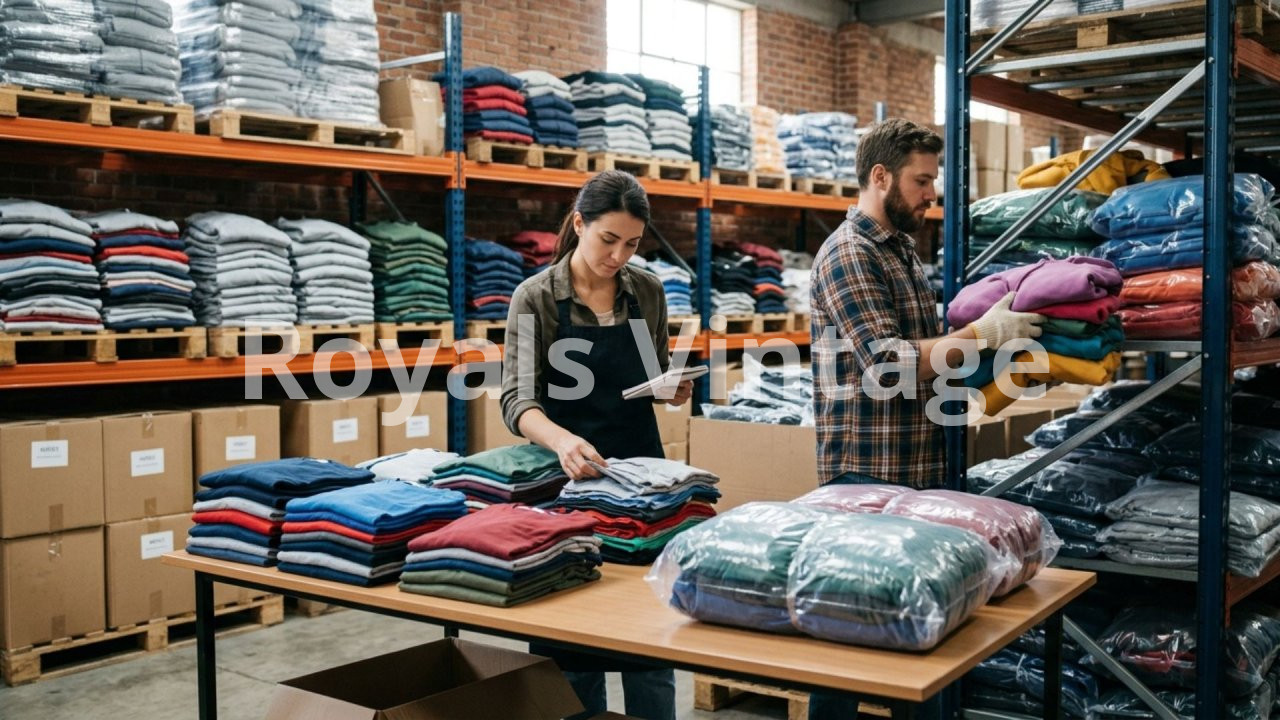
- Dry, clean storage: avoid damp areas that cause mould and odours.
- Sort by type and size: clear labels save time later.
- Use breathable containers: avoid sealed plastic for long-term storage of used clothing.
- Keep a stock list: record quantities so you can track what is used or sold.
- Rotate stock: use or sell older items first.
- Protect from sunlight and pests: store away from direct light and use suitable pest protection.
Tips to Save More When You Buy Clothes in Bulk
- Ask for discounts on repeat orders or larger tiers.
- Combine orders to reach a free-shipping threshold.
- Order off-season when suppliers may offer lower prices.
- Compare total cost, not just price per piece.
- Start with a smaller order before committing to a large one.
- Negotiate politely and be clear about your quantities and timeline.
Red Flags When Buying Clothes in Bulk
- Prices far below every other supplier.
- Refusal to share real photos, samples, or a price list.
- No clear business details or contact information.
- Vague answers about quality, grading, or delivery.
- Pressure to pay immediately.
- No returns or defect policy.
If several of these appear together, find another supplier.
Common Mistakes When Buying Clothes in Bulk
- Buying before defining your purpose.
- Choosing only on price and ignoring quality.
- Forgetting shipping, tax, and storage costs.
- Skipping samples on large orders.
- Ordering the wrong size mix.
- Buying trend items in large quantities.
- Not inspecting the delivery straight away.
- Paying a large amount without written confirmation.
FAQ's
Where can I buy clothes in bulk?
You can buy from wholesalers, manufacturers, surplus suppliers, online wholesale stores, trade fairs, and specialist suppliers for used or vintage clothing. Compare at least three options before ordering.
Is it cheaper to buy clothes in bulk?
Usually, yes. The price per piece falls as quantity rises, but always include shipping, taxes, and storage in your comparison.
How many clothes count as a bulk order?
It depends on the supplier. Some set a minimum number of pieces, others a minimum order value or weight. Always confirm the MOQ.
Can individuals buy clothes in bulk?
Yes, many suppliers sell to individuals, while some wholesalers require a business account. Check each supplier’s terms.
What are the best clothes to buy in bulk?
Basics such as t-shirts, sweatshirts, denim, joggers, and everyday children’s clothing are reliable choices. For resale, unique categories like vintage can help you stand out.
Is it better to buy new or used clothes in bulk?
New clothes suit uniforms and events. Used or vintage clothes suit resellers and budget-conscious buyers. Choose based on purpose and quality needs.
How do I avoid buying the wrong sizes?
Ask for the supplier’s size chart, collect real measurements where possible, and order a balanced size range based on your needs or sales data.
Can I buy clothes in bulk for a charity?
Yes. Many charities buy durable used clothing or surplus basics at low cost. Ask suppliers about their grading and whether they offer charity or large-volume pricing.
Conclusion
Buying clothes in bulk works best when you start with a clear purpose. Decide who the clothes are for, choose between new, used, or vintage stock, compare total costs, check samples, and inspect every delivery. With a plan, bulk buying saves money, keeps supply consistent, and helps you avoid costly mistakes.
Ready to source quality stock in volume? Explore the collection at Royals Vintage and discover vintage pieces selected for style and resale value.