Suppliers for Reselling UK: How to Find, Vet and Work With Reliable Suppliers
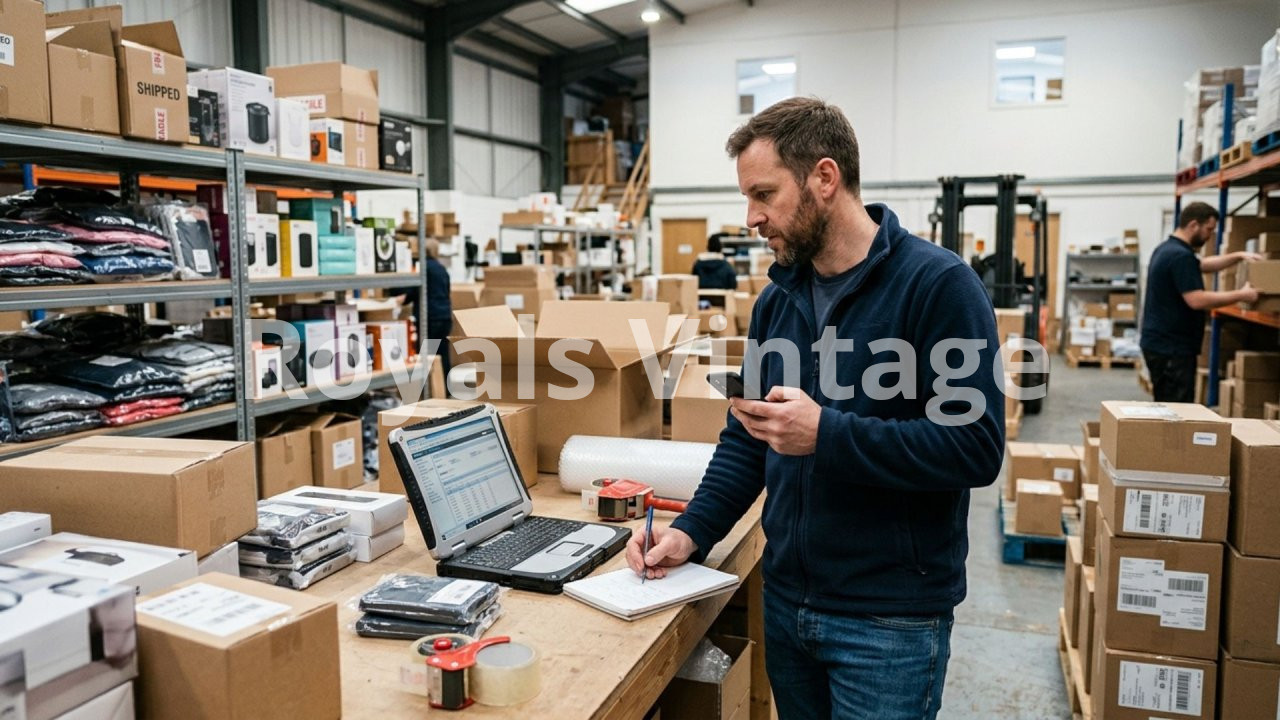
Suppliers for Reselling UK: The Complete Guide to Finding and Vetting Reliable Suppliers
Your supplier decides your product quality, your profit margin, your delivery speed, and your reputation. A great supplier makes reselling feel simple. A poor one leads to late orders, damaged goods, refunds, and unhappy customers.
This guide explains where to find suppliers for reselling in the UK, how the main supplier models work, how to check whether a supplier can be trusted, how to open a trade account, and how to calculate your real margins.
Read More: https://royalsvintage.com/blog/vintage-wholesale/wholesale-clothes-types-and-pricing
What Does a Reselling Supplier Do?
A reselling supplier provides products that you sell on to customers at a higher price. Depending on the model, they may ship stock to you, ship directly to your customers, or let you collect goods in person.
The right supplier depends on your niche, budget, and how much risk you can handle. Fashion sellers, for example, have very different needs from electronics or homeware sellers.
Types of Suppliers for Reselling in the UK
UK Wholesalers and Distributors
They buy in large quantities from manufacturers and sell to businesses in smaller lots. Delivery is usually fast and returns are easier, but prices can be higher than importing.
Manufacturers
Buying direct can lower your cost per item, but minimum order quantities are often higher. This option suits sellers with a clear niche and a larger budget.
Dropshipping Suppliers
The supplier stores and ships the products, and you only handle sales and customer service. Start-up cost is low, but margins are thinner and you have less control over quality and delivery.
Liquidation and Clearance Suppliers
They sell overstock, end-of-line, and returned goods at heavy discounts. Margins can be strong, but stock condition and quantity vary, so careful checking is essential.
Overseas Suppliers
Importing can widen your choice and lower costs, but you must plan for shipping time, import VAT, customs duty, and currency changes.
Specialist Niche Suppliers
Suppliers focused on one category, such as vintage clothing, used clothing, or craft materials, usually know their products well and explain quality clearly. Royals Vintage, for example, supplies curated vintage stock for resellers who want unique products.
Where to Find Suppliers for Reselling in the UK
Online Wholesale Directories and Marketplaces
These make it easy to compare suppliers, but quality varies. Treat every listing as a starting point, not proof of reliability.
Trade Shows and Wholesale Fairs
UK trade events let you see products in person, talk to suppliers directly, and negotiate. They are also a good way to spot new trends.
Wholesale Markets and Cash-and-Carry Stores
Good for buying small quantities and checking quality before committing to larger orders.
Social Media and Reseller Communities
Groups and forums can help you find recommendations and warnings from other sellers. Always verify advice independently.
Direct Outreach to Brands and Manufacturers
Many brands have trade or wholesale application pages. A short, professional enquiry with your business details often gets a better response than a generic message.
How to Vet a Supplier Before You Order
Use this checklist before you send any money.
1. Check Business Details
A real supplier has a registered business name, a physical address, a working phone number, and professional contact details. In the UK, you can check company information on Companies House.
2. Ask for Real Photos or Videos
Ask for current photos or a short video of the actual stock, not only catalogue images.
3. Order a Sample or Trial Batch
A small test order shows true quality, packaging, and delivery speed.
4. Read Independent Reviews
Look beyond the supplier’s own website. Check social media comments, forums, and reseller groups.
5. Confirm Terms in Writing
Get the price, minimum order, delivery time, and returns policy in writing before paying.
6. Test Communication
A reliable supplier answers questions clearly and quickly. Vague or slow replies before the sale usually get worse after it.
How to Open a Trade Account
Many UK suppliers sell only to businesses and require a trade account. Typical requirements may include:
- Your business name and contact details
- Proof of trading, such as a website, social media shop, or marketplace store
- A company registration number or sole trader details
- A VAT number, if you are VAT registered
- A short description of what you plan to sell
Check each supplier’s requirements, as they vary. If you are just starting, a small sample order is often a good way to build the relationship.
Authorised Resellers and Branded Goods
If you want to sell well-known brands, make sure the supplier is genuine and that you are allowed to resell the products. Some brands restrict who can sell their goods or where they can be sold. Ask for proof of authenticity, keep your invoices, and read the supplier’s terms carefully.
For secondhand and vintage items, authenticity matters just as much. Ask how items are checked and graded.
UK Rules Every Reseller Should Know
Rules change, so always confirm the latest details on GOV.UK or with an accountant.
- Business registration: many resellers start as sole traders and must register for tax where required.
- VAT: check whether you need to register based on your turnover, and whether supplier prices include VAT.
- Product safety: goods sold in the UK must meet safety and labelling rules for their category, and some products have stricter requirements.
- Consumer rights: online sellers must provide accurate descriptions and follow UK rules on returns and refunds.
- Record keeping: keep invoices, receipts, and supplier details for your accounts.
How to Calculate Your Real Margin
Your supplier price is only part of your cost. Use this simple formula:
Cost per item = (product cost + shipping + VAT/duty if applicable + packaging + payment fees) ÷ number of sellable items
Then add platform fees, advertising, and returns to see your true profit.
Example
Imagine you buy 50 items:
- Product cost: £250
- Shipping: £30
- Packaging: £10
- Payment fees: £5
- Total: £295
If 48 items are sellable, your real cost is about £6.15 per item, not £5. Always divide by sellable items, not the number ordered.
Red Flags: How to Spot Unreliable Suppliers
- Prices far below every other supplier.
- Pressure to pay immediately.
- No company details, address, or reviews.
- Refusal to share real photos, videos, or samples.
- Payment requests only by hard-to-trace methods.
- Vague answers about quantities, delivery, or returns.
- Stock photos copied from other websites.
If several of these appear together, walk away.
Safe Payment and Delivery Tips
- Use traceable payment methods with buyer protection where possible.
- Avoid sending large amounts to a supplier you have not tested.
- Keep invoices, tracking numbers, and messages until the order is checked.
- Confirm who pays shipping, who handles customs, and what happens if goods arrive damaged.
- Inspect your delivery immediately and photograph any problems.
How to Build a Long-Term Supplier Relationship
Start Small, Then Reorder
Reliable service on small orders is the best sign of a supplier worth growing with.
Pay on Time
Suppliers prioritise customers who are easy to work with, which can help with stock availability and better terms.
Give Clear Feedback
Tell your supplier which items sell fastest. Many will help you choose better stock.
Keep a Backup Supplier
Never depend on only one source. A second supplier protects you from delays and stock shortages.
Choosing Suppliers by Reselling Model
- Online store or social media seller: a mix of wholesale stock and a backup supplier works well.
- Marketplace seller (Amazon, eBay, Vinted): focus on authentic stock with clear sourcing and invoices.
- Market stall or pop-up: local wholesalers and cash-and-carry suppliers allow easy restocking.
- Low-budget beginner: start with small trial orders, used or vintage bundles, or low-risk dropshipping.
- Niche brand builder: work directly with manufacturers or specialist suppliers.
Common Mistakes When Choosing Reselling Suppliers
- Choosing the lowest price without checking quality.
- Skipping samples and trial orders.
- Ignoring VAT, shipping, and returns costs.
- Relying on one supplier only.
- Not checking authenticity or reselling rules for branded goods.
- Paying large amounts before verifying the business.
- Failing to keep records and invoices.
FAQ's
Where can I find suppliers for reselling in the UK?
You can find suppliers through wholesale directories, trade shows, wholesale markets, brand trade applications, reseller communities, and specialist suppliers. Always verify any supplier before ordering.
Do I need a business to buy from wholesale suppliers in the UK?
Many wholesalers sell only to businesses and ask for proof of trading, but requirements differ. Check each supplier’s terms and visit GOV.UK for registration guidance.
How do I know if a supplier is legitimate?
Check company details, ask for real photos or videos, read independent reviews, order a sample, and confirm terms in writing.
What is the difference between wholesale and dropshipping?
With wholesale, you buy stock and ship it yourself. With dropshipping, the supplier ships directly to your customer. Wholesale usually gives better margins and control, while dropshipping needs less upfront money.
What products are best to resell in the UK?
Popular categories include clothing, vintage and secondhand items, beauty accessories, homeware, and gifts. The best product is one you understand, can source reliably, and can sell at a healthy margin.
Do I need to pay VAT when buying from UK suppliers?
It depends on your business status and the supplier’s pricing. Always confirm whether prices include VAT and check GOV.UK or ask an accountant.
How much money do I need to start reselling?
It depends on your niche and supplier. Many sellers begin with a small trial order and reinvest their profits.
Can I resell vintage or secondhand clothing in the UK?
Yes. Many UK resellers sell vintage and secondhand clothing through online stores, resale apps, and markets. Choose suppliers who describe grading and condition clearly.
Conclusion
The right supplier makes reselling more profitable and much less stressful. Understand the supplier models, vet every business carefully, order samples first, calculate your true cost per item, and follow UK rules on VAT, safety, and consumer rights. Build relationships with a few reliable suppliers and grow your range step by step.