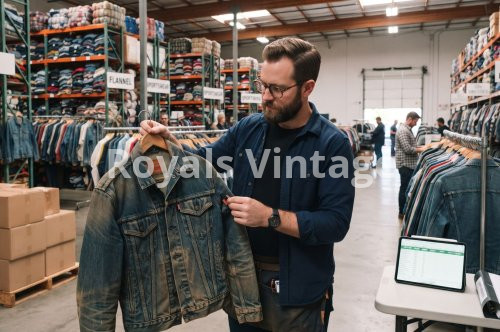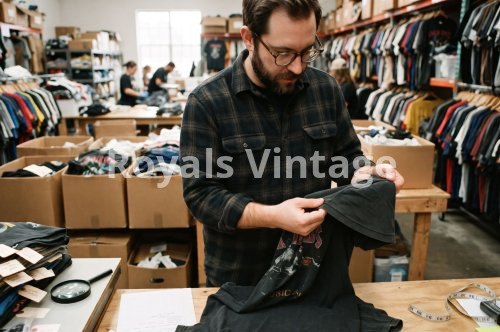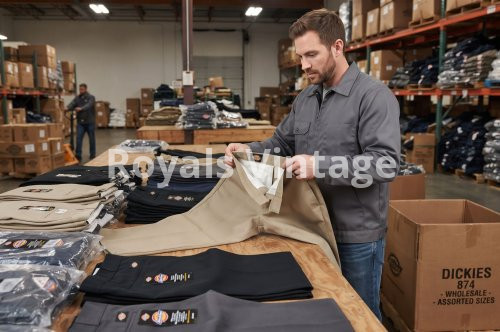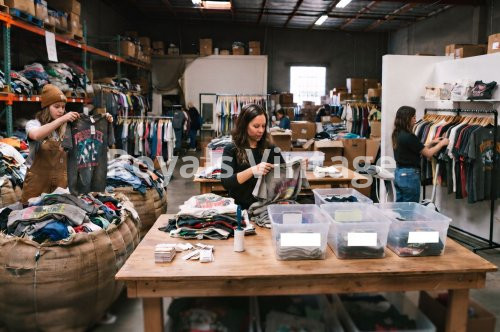
True Religion Jeans Wholesale: How Resellers Can Source and Authenticate Them
True Religion Jeans Wholesale: How Resellers Can Source, Authenticate and Sell Them
Few denim brands are as closely tied to the early 2000s as True Religion. Thick contrast stitching, distinctive back pockets, and bold washes made the jeans a status piece of the Y2K era. Today they are back in demand, and resale buyers actively search for them by name. That makes True Religion jeans one of the more interesting niches for denim resellers.
It is also a niche with plenty of fakes and misdescribed pairs. This guide explains why these jeans sell, where resellers can find genuine stock, how to check authenticity, what condition problems to watch for, and how to price and sell them safely.
Royals Vintage is not affiliated with, authorised by, or endorsed by True Religion. Brand names are used only to describe products.
Read More: https://royalsvintage.com/blog/vintage-wholesale/vintage-christmas-sweater
Why True Religion Jeans Sell in Resale
Y2K Nostalgia
Early 2000s fashion is firmly back, and denim from that period is one of its most recognisable categories. Shoppers who remember the era and younger buyers who found it online are both searching.
Strong Brand Recognition
Buyers often search by brand name, which makes well-written listings easy to find.
Distinctive Design
Heavy stitching, branded pockets, and statement washes make the jeans stand out from plain denim.
Higher Price Per Piece
Branded denim usually sells for more than unbranded denim, which supports better margins when sourced at the right price.
Demand moves with trends, so always check recent sold listings before buying in volume.
Can You Buy True Religion Wholesale Directly?
How Official Wholesale Works
Established brands usually sell new collections to approved retailers under formal agreements, often with minimum orders and presentation rules.
What This Means for Small Resellers
Direct access to new stock is generally limited to approved retailers. If a supplier offers “official True Religion wholesale” at very low prices with no paperwork, be cautious. Policies change, so check the brand’s official trade information if you want to apply for an account.
The Realistic Route for Most Resellers
Most small and online resellers source branded denim through secondary channels: surplus, ex-retail, returns, and sorted pre-owned or vintage bundles. These routes are legitimate when the supplier is open about where stock comes from.
Where Resellers Source True Religion Jeans
Sorted Pre-Owned and Vintage Denim Bundles
Many sorted denim lots include branded pairs. Ask how the supplier identifies and grades branded items, and whether you can request a denim-only lot.
Surplus and End-of-Season Stock
Unsold pairs sold through surplus suppliers. Sizes and washes may be limited, so ask where the stock came from.
Ex-Retail and Customer Returns
Bulk lots with lower prices, but condition varies, so you need time to inspect and grade.
Liquidation Stock
Stock from closed stores can be genuine but is sometimes mixed. Ask for documentation.
Auctions and Consignment
Useful for single higher-value pairs, though prices can rise quickly. Work out your margin before bidding.
Curated Vintage Stock
Royals Vintage works with curated vintage stock, so check which brands appear in each bundle before ordering.
Popular Fits and Washes Resellers Look For
Style names and washes change over time, so check labels and listings carefully.
- Bootcut and flared jeans: typical of the early 2000s and strongly associated with Y2K style.
- Straight-leg jeans: easy to sell and easy to style.
- Relaxed and baggy fits: popular with buyers of 90s and 2000s streetwear.
- Low-rise and mid-rise cuts: very period-specific, so describe the rise clearly.
- Dark washes: versatile and widely wearable.
- Medium and light washes with fading: popular for the worn-in vintage look.
- Embellished or heavily stitched pairs: distinctive, but check the details carefully.
Always record the rise, waist, inseam, and leg opening in your listing, since fits vary widely.
How to Check Whether True Religion Jeans Are Genuine
No single sign proves authenticity. Use several checks together, and compare with trusted references for the correct era, since details changed over time.
Ask About Sourcing
A legitimate supplier can usually explain where stock came from and provide invoices for larger lots.
Inspect the Stitching
Genuine pairs are known for thick, even contrast stitching. Look for consistency, tight stitches, and clean lines. Uneven, thin, or messy stitching is a warning sign.
Examine the Back Pockets
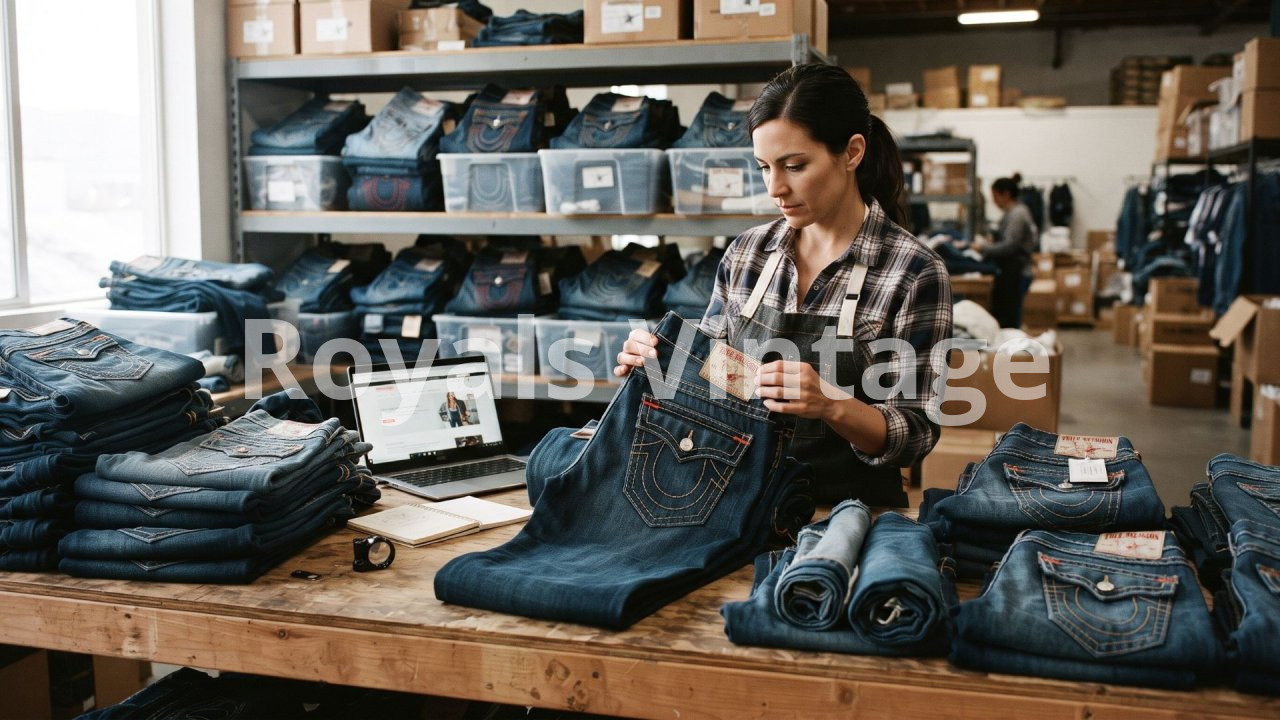
The pocket design is a key brand feature. Check shape, symmetry, stitching quality, and any embroidery or logo placement against genuine examples from the same period.
Check the Hardware
Buttons, rivets, and zips should feel solid and well finished. Check for engraving, consistent colour, and smooth operation.
Read the Labels
Look at the waistband label, care label, and size tag. Check font, spelling, spacing, stitching, and fabric content, and compare them with reliable references.
Feel the Denim
Quality denim has weight and a consistent finish. Thin, rough, or oddly shiny fabric deserves more questions.
Look at the Inside Construction
Check seams, hems, pocket bags, and finishing. Genuine pairs are usually neatly made inside as well as outside.
Watch the Price
New or near-new pairs at a fraction of normal wholesale prices should trigger more checking.
Authenticate Higher-Value Pairs
For expensive pairs or large lots, independent authentication is cheaper than buying fakes.
Condition Problems to Check in Used Denim
Used jeans wear in predictable places. Inspect these areas on every pair.
- Crotch and inner thighs: thinning, holes, and seam splits are the most common problems.
- Hems: fraying, drag damage, and uneven wear from long legs.
- Pockets: loose stitching, holes, and damaged pocket details.
- Waistband and belt loops: stretching, tears, or missing loops.
- Zip and button: make sure both work smoothly.
- Stains and discolouration: check knees, thighs, and pocket edges.
- Fading: natural fading is part of the look, but uneven bleach spots may not be.
- Smell: stored denim can hold odours.
Light fading and soft wear are normal. Holes, split seams, and deep stains lower the value.
Sizing Jeans for Resale
Use Measurements, Not Labels
Jeans sizing varies by brand, fit, and decade. Measure the waist (flat, then doubled), rise, hip, thigh, inseam, and leg opening.
Explain the Rise
Low-rise Y2K pairs fit very differently from modern mid-rise or high-rise jeans. Say clearly where the waistband sits.
Mention Stretch
Note the fabric content and whether the denim has stretch, since this affects how a pair fits.
Common Sizes Sell Faster
Mid-range waist sizes usually move fastest, though demand varies by market.
How to Price True Religion Jeans for Profit
Calculate Your True Cost
Cost per sellable pair = (lot cost + shipping + taxes and duty + cleaning/repair + packaging + payment fees) ÷ number of sellable pairs
Always divide by sellable pairs, not the number ordered.
Check Recent Sold Prices
Search for the same fit, wash, size, and condition, and use sold listings rather than asking prices.
Price by Condition and Rarity
Clean, well-preserved pairs and unusual washes or details usually earn more than common, worn ones.
Include All Selling Costs
Platform fees, advertising, packaging, and returns reduce your margin.
Legal and Trademark Basics for Resellers
Rules differ by country, so check local law or speak to a professional before buying in volume.
- Counterfeits: selling fakes can lead to seized stock, fines, and legal action, even if you did not know.
- Official-partner claims: never say you are an authorised dealer or stockist unless the brand has approved you.
- Honest descriptions: state clearly whether items are new, surplus, pre-owned, or vintage.
- Brand names in listings: use the name only to describe the item truthfully, and avoid logos that suggest an official connection.
- Marketplace rules: some platforms have brand-specific policies or authentication requirements.
- Record keeping: keep invoices, supplier details, and photos for every purchase.
How to Evaluate a Branded Denim Supplier
- Do they show real photos or videos of the actual stock, including pockets and labels?
- Can they explain where the stock comes from?
- Do they provide a manifest or a clear description of the lot?
- Is grading clearly defined?
- Are minimum orders and total costs clear?
- Do independent reviews support their claims?
- Is there a clear policy for missing or incorrect items?
Red Flags in True Religion Wholesale Offers
- Claims of “official” supply with no proof.
- Prices far below normal for new pairs.
- No company details, address, or verifiable history.
- Refusal to share real photos of labels, pockets, and stitching.
- Pressure to pay immediately.
- Hard-to-trace payment methods only.
- Stock photos copied from brand websites.
If several of these appear together, walk away.
Step-by-Step: Placing Your First Branded Denim Order
- Decide your focus: Y2K denim, branded denim only, or mixed denim.
- Set a small trial budget: only what you can afford to lose.
- Shortlist three suppliers and compare sourcing, grading, and communication.
- Request real photos, a manifest, and written terms.
- Order a small test lot.
- Pay with a traceable method.
- Inspect on arrival: stitching, pockets, hardware, labels, and condition.
- Sort into ready to sell, needs work, and not sellable.
- List, track sales, and reorder what works.
How to Prepare and Sell Jeans
Clean Carefully
Wash in cold water with mild detergent, turn jeans inside out, and avoid high heat. Handle embellished or delicate pairs gently.
Measure Every Pair
Record waist, rise, hip, thigh, inseam, and leg opening.
Photograph the Details
Show the front, back, pockets, labels, stitching, hardware, and any flaws, in natural light.
Write Clear Titles
For example: “Vintage Y2K Bootcut Jeans, Dark Wash, Thick Stitching, W32 L32.”
Choose Your Channels
Your own store, resale apps, and social media all work. Check each platform’s brand and authentication rules.
Common Mistakes When Buying Branded Denim for Resale
- Trusting “official” claims without proof.
- Buying large lots before a test order.
- Skipping stitching, pocket, and label checks.
- Ignoring crotch and hem damage.
- Describing a size by the label instead of measurements.
- Using brand names or logos to imply an official connection.
- Overloading on one fit or wash.
FAQ's
Can I buy True Religion jeans wholesale?
Direct access to new stock is usually limited to approved retailers. Most resellers source through surplus, ex-retail, liquidation, or pre-owned and vintage denim bundles.
Are wholesale True Religion jeans genuine?
They can be, if they come from a verified source. Ask for sourcing information, inspect stitching, pockets, labels, and hardware, and test with a small order.
How can I spot fake True Religion jeans?
Compare stitching quality, pocket details, labels, hardware, and denim weight with genuine examples from the same era, ask for sourcing, and authenticate valuable pairs.
Why are True Religion jeans popular again?
Early 2000s fashion has returned, and the brand’s distinctive stitching and styling are strongly linked to that era.
Is it legal to resell True Religion jeans?
Reselling genuine items is generally allowed in many markets, but rules vary. Selling counterfeits is illegal, and you must not imply an official partnership unless you have one.
What condition problems should I check?
Check the crotch, inner thighs, hems, pockets, waistband, zip, and button, and look for stains and odours.
How do I size used jeans for resale?
Use measurements for waist, rise, hip, thigh, inseam, and leg opening, and note stretch and rise clearly.
Do I need a business account?
For official brand accounts, yes, and approval is not guaranteed. For surplus or pre-owned wholesale, requirements depend on the supplier.
Conclusion
True Religion jeans can be a strong niche for denim resellers, but only when you source carefully. Choose verified suppliers, check stitching, pockets, labels, and hardware, inspect wear areas, measure every pair, and price from your true cost per sellable pair. Start with a small lot, learn which fits and washes your customers want, and grow from there.
If you want distinctive denim and vintage pieces for your resale business, explore the collection at Royals Vintage and discover curated stock selected for style and quality.