Vintage LL Bean Wholesale: How Resellers Can Source, Check and Sell It
Vintage LL Bean Wholesale: How Resellers Can Source, Check and Sell It
L.L.Bean is one of the best-known names in American outdoor and heritage clothing. Rubber-and-leather boots, canvas tote bags, flannel shirts, fleece, and cosy knitwear from the brand are popular with vintage buyers who want practical, well-made pieces with a classic outdoor look. That steady demand makes vintage L.L.Bean a strong niche for resellers.
This guide explains which vintage L.L.Bean pieces sell, where resellers can source genuine stock, how to check condition and authenticity, and how to size, price, and list items safely.
Royals Vintage is not affiliated with, authorised by, or endorsed by L.L.Bean. Brand names are used only to describe products.
Read More: https://royalsvintage.com/blog/vintage-wholesale/vintage-cargo-shorts-wholesale
Why Vintage L.L.Bean Sells in Resale
Heritage Appeal
Outdoor and heritage clothing is a long-running trend, and older pieces from established outdoor brands are in demand.
Durability
Many items were built for practical outdoor use, so good used pieces are still very wearable.
Wide Buyer Base
Outdoor enthusiasts, preppy and heritage dressers, students, and everyday shoppers all buy from this category.
Seasonal Strength
Boots, fleece, flannels, and knitwear sell especially well in autumn and winter.
Searchable Brand Name
Buyers often search by brand and item type, so accurate titles help listings get found.
Demand shifts with trends and seasons, so check recent sold listings before buying in volume.
Can You Buy L.L.Bean Wholesale Directly?
How Official Wholesale Works
Established brands usually sell new products to approved retail partners under formal agreements, or through their own stores.
What This Means for Small Resellers
Direct access to new stock is generally limited. If a supplier offers “official L.L.Bean wholesale” at very low prices with no paperwork, be cautious.
The Realistic Route for Most Resellers
Most resellers source vintage and pre-owned pieces through sorted bundles, outerwear and knitwear lots, and curated vintage suppliers. These routes are legitimate when the supplier is open about where stock comes from.
Which Vintage L.L.Bean Pieces Sell Best?
Rubber-and-Leather Boots
The brand’s classic outdoor boot is one of its most recognisable products. Vintage pairs in good condition are popular, especially before winter.
Canvas Tote Bags
Sturdy canvas totes, often with colour trim and sometimes monogrammed, are steady sellers and easy to ship.
Flannel and Chamois-Style Shirts
Soft, heavy cotton shirts in plaids and solid colours sell well in cooler months.
Fleece Jackets and Pullovers
Warm, light layers with a classic outdoor look.
Knitwear
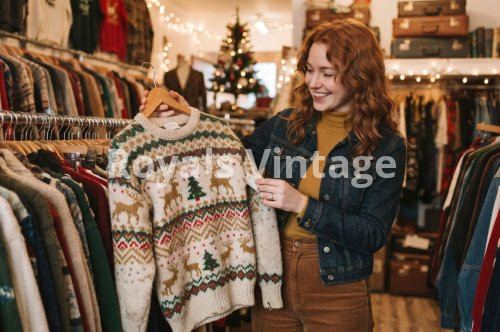
Patterned and Nordic-style jumpers, cardigans, and wool knits.
Field Coats, Anoraks and Outdoor Jackets
Practical outerwear in canvas, nylon, or waxed fabrics, often with plenty of pockets.
Trousers and Shorts
Chinos, cords, and outdoor trousers are useful but usually lower value than outerwear.
Where Resellers Source Vintage L.L.Bean
Sorted Outerwear and Knitwear Bundles
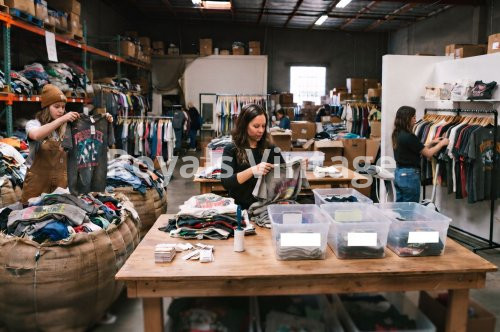
Ask for outerwear-only or knitwear-only lots, and how branded items are identified and graded.
Mixed Vintage Bundles and Bales
Cheaper per piece, but branded items may be a small share and need sorting.
Footwear and Bag Lots
Some suppliers sort shoes, boots, and bags separately. Ask before ordering.
Liquidation and Clearance Stock
Can be good value, but lots may be mixed. Ask for documentation.
Curated Vintage Stock
Hand-picked pieces cost more but save time. Royals Vintage works with curated vintage stock, so check which brands appear in each bundle before ordering.
How to Check Whether L.L.Bean Items Are Genuine
No single sign proves authenticity. Use several checks together, and compare with trusted references for the correct era, since labels changed over time.
- Labels: check fonts, spelling, stitching, fabric content, and country of origin.
- Construction: look for neat seams, strong stitching, and solid finishing.
- Hardware: zips, snaps, and buttons should feel sturdy and work smoothly.
- Materials: fabric, rubber, and leather should feel consistent with quality outdoor gear.
- Boots and bags: check any stamped or printed brand marks against genuine examples.
- Price: very low prices for items described as rare deserve more checking.
- Sourcing: ask the supplier where the stock came from.
Condition Problems to Check
Boots
- Rubber: cracks, splits, or dry, brittle areas, especially at the flex point.
- Leather uppers: dryness, cracking, and water stains.
- Stitching: loose stitching where leather meets rubber.
- Soles and tread: heavy wear and uneven heels.
- Laces and eyelets: missing or damaged parts.
- Inside: worn insoles and odours.
Tote Bags
- Canvas: stains, fading, and thin spots.
- Handles and trim: fraying and stitching damage.
- Bottom and corners: holes and heavy wear.
- Monograms: personalised initials can lower appeal for some buyers, so mention them clearly.
Fleece
- Pilling: common on high-friction areas.
- Matting: flattened or rough patches.
- Zips and cuffs: broken zips and stretched elastic.
Flannel and Knitwear
- Holes and moth damage: especially on wool.
- Pilling and thin elbows.
- Stretched cuffs, collars, and hems.
Outerwear
- Shell fabric: tears, cracking on coated fabrics, or worn waxing.
- Lining: tears and stains.
- Zips, snaps, and drawcords: test every one.
- Collar and cuffs: fraying and staining.
Light wear is normal for outdoor clothing. Holes, cracked rubber, and broken hardware reduce value.
Sizing Vintage L.L.Bean for Resale
Use Measurements, Not Labels
Sizing varies by era and product type.
Clothing Measurements
- Tops and jackets: chest (pit to pit), shoulder width, sleeve length, and body length.
- Trousers: waist, rise, inseam, and leg opening.
Boot Measurements
Record the labelled size, and also measure insole length and width if possible. Mention any signs of stretching or wear that affect fit.
Explain the Fit
Say whether pieces are roomy, boxy, or regular. Many outdoor items are cut generously for layering.
How to Price Vintage L.L.Bean for Profit
Calculate Your True Cost
Cost per sellable item = (lot cost + shipping + taxes and duty + cleaning/repair + packaging + payment fees) ÷ number of sellable items
Always divide by sellable items, not the number ordered. Boots and coats are heavy, so include shipping weight.
Check Recent Sold Prices
Search for the same item type, size, and condition. Use sold listings, not asking prices.
Price by Category and Condition
Boots, outerwear, and distinctive knitwear usually earn more than basic shirts or trousers. Clean, well-kept pieces sell faster.
Include All Selling Costs
Platform fees, advertising, packaging, and returns reduce your margin.
Use Bundles
Pair a flannel with a fleece, or a tote with a knit, to raise order value.
Legal and Trademark Basics for Resellers
Rules differ by country, so check local law or speak to a professional before buying in volume.
- Counterfeits: selling fakes can lead to seized stock, fines, and legal action.
- Official-partner claims: never say you are an authorised dealer or stockist unless the brand has approved you.
- Honest descriptions: state clearly whether items are new, pre-owned, or vintage.
- Brand names in listings: use the name only to describe the item truthfully, and avoid logos that suggest an official connection.
- Marketplace rules: some platforms have brand-specific policies.
- Record keeping: keep invoices, supplier details, and photos for every purchase.
How to Prepare and List Vintage L.L.Bean
Clean Carefully
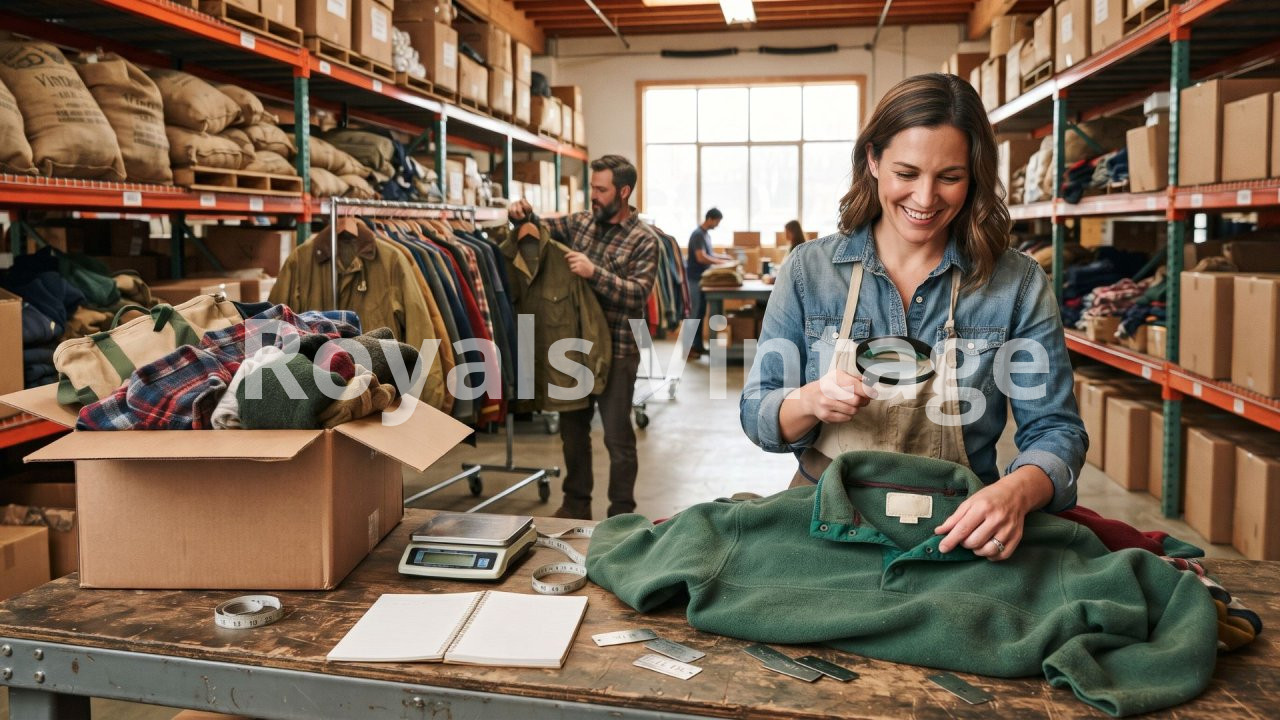
Follow the care label. Wash shirts and fleece gently in cold water and air dry. Hand wash or gently clean knitwear and dry it flat. Clean canvas totes with mild soap and a soft brush. Wipe boots clean, and condition leather uppers with a suitable product.
Measure Every Item
Record the measurements that matter for each category.
Photograph the Details
Show the front, back, labels, hardware, and any flaws in natural light. For boots, show soles, rubber flex points, and stitching. For totes, show the bottom, corners, and handles.
Write Clear Titles
For example: “Vintage L.L.Bean Flannel Shirt, Red Plaid, Size L” or “Vintage Canvas Tote Bag, Navy Trim, Large.”
Describe Honestly
Mention repairs, monograms, replaced laces, and any wear.
Choose Your Channels
Your own store, resale apps, and social media all work. Check each platform’s brand rules.
Seasonal Planning
- Autumn and winter: boots, fleece, flannels, knitwear, and outerwear.
- Spring: light jackets, anoraks, and shirts.
- Summer: tote bags, shorts, and lighter shirts.
Source ahead of each season so items are listed before demand peaks.
Red Flags in L.L.Bean Wholesale Offers
- Claims of “official” supply with no proof.
- Prices far below normal for branded items.
- No company details, address, or verifiable history.
- Refusal to share real photos of labels and hardware.
- Pressure to pay immediately.
- Hard-to-trace payment methods only.
- Stock photos copied from brand websites.
If several of these appear together, walk away.
Step-by-Step: Placing Your First Order
- Decide your focus: boots, outerwear, knitwear, totes, or mixed.
- Set a small trial budget: only what you can afford to lose.
- Shortlist three suppliers and compare sourcing, grading, and communication.
- Request real photos and written terms.
- Order a small test lot.
- Pay with a traceable method.
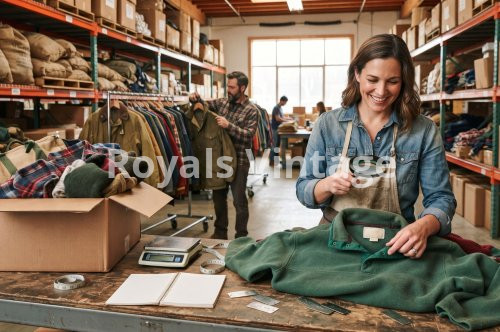
- Inspect on arrival: labels, materials, hardware, and wear.
- Sort into ready to sell, needs work, and not sellable.
- List, track sales, and reorder what works.
Common Mistakes When Reselling Vintage L.L.Bean
- Trusting “official” claims without proof.
- Ignoring cracked rubber on boots.
- Missing moth holes in wool knitwear.
- Listing by label size instead of measurements.
- Forgetting heavy shipping costs for boots and coats.
- Using brand names or logos to imply an official connection.
- Buying large lots before a test order.
Frequently Asked Questions About Vintage L.L.Bean
Can I buy L.L.Bean wholesale?
Direct access to new stock is generally limited. Most resellers source vintage and pre-owned pieces through sorted bundles and curated suppliers.
Which vintage L.L.Bean items sell best?
Boots, canvas tote bags, flannel shirts, fleece, knitwear, and outdoor jackets are popular, though demand varies by season.
How can I tell if an L.L.Bean item is genuine?
Check labels, construction, hardware, materials, and any brand marks together, and compare with genuine examples from the same era.
What should I check on vintage boots?
Look for cracks in the rubber, dry or cracked leather, loose stitching, worn soles, and odours.
Are monogrammed tote bags harder to sell?
They can appeal to fewer buyers, but many still sell. Mention the monogram clearly and photograph it.
Is it legal to resell L.L.Bean items?
Reselling genuine items is generally allowed in many markets, but rules vary. Selling counterfeits is illegal, and you must not imply an official partnership.
When does vintage L.L.Bean sell best?
Autumn and winter are strongest for boots, fleece, flannels, and knitwear.
How do I price vintage L.L.Bean?
Calculate your cost per sellable item, check recent sold prices, and price by category and condition.
Conclusion
Vintage L.L.Bean is a dependable heritage niche for resellers, thanks to durable products, strong seasonal demand, and a wide audience. Source from verified suppliers, check rubber, leather, fabric, and hardware carefully, measure every item, and price from your true cost per sellable piece. Start with a small lot, learn which categories your customers want, and reorder from there.
If you want distinctive heritage and outdoor pieces for your resale business, explore the collection at Royals Vintage and discover curated stock selected for style and quality.