
Reselling Suppliers: How to Contact, Compare and Manage Them for Steady Profit
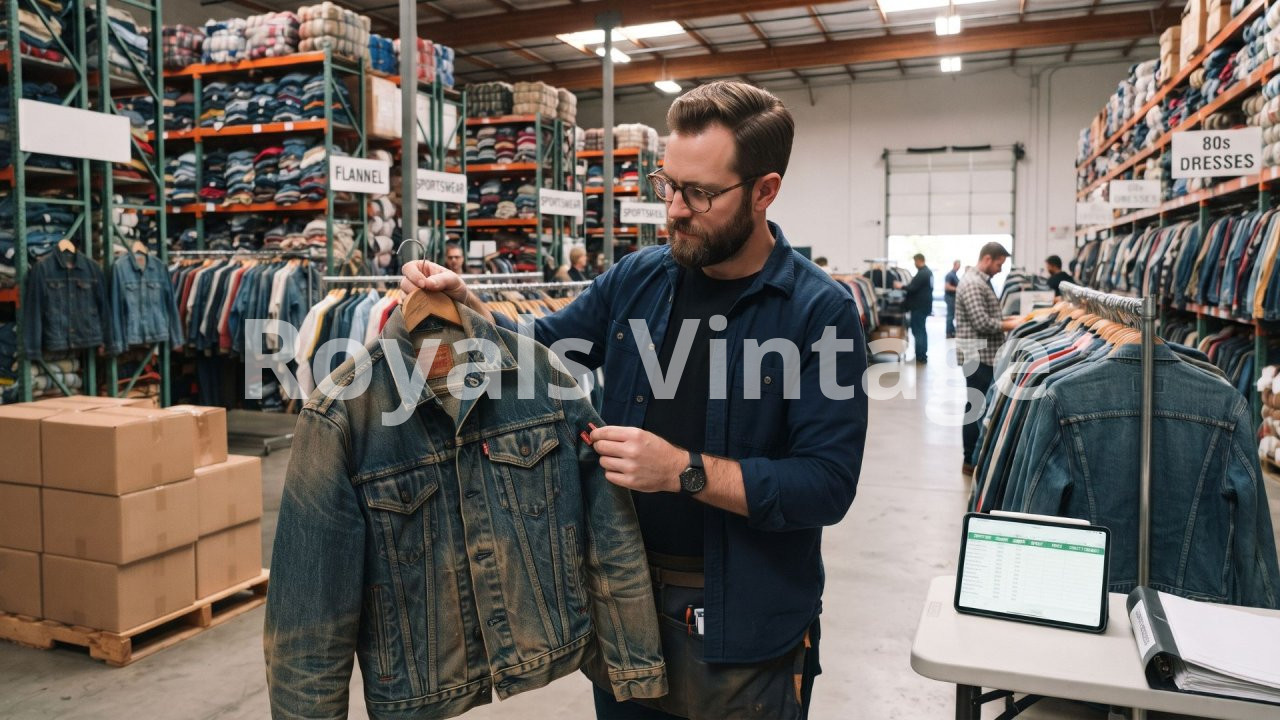
Reselling Suppliers: How to Contact, Compare and Manage Them for Steady Profit
Most guides tell you where to find reselling suppliers. Fewer explain what to do after you find them. But the real profit in reselling comes from how well you work with suppliers: how you approach them, how you compare offers, how you negotiate, and how you track their performance over time.
This guide covers the working side of supplier relationships: writing your first enquiry, comparing offers fairly, negotiating, handling international orders, tracking results, and building a supply chain that does not collapse when one supplier lets you down.
Read More: https://royalsvintage.com/blog/vintage-wholesale/dickies-874-wholesale
What Are Reselling Suppliers?
Reselling suppliers are businesses that provide products you sell on to customers at a higher price. They include wholesalers, distributors, manufacturers, surplus sellers, and specialist suppliers for niches such as vintage and secondhand clothing.
A good supplier is not only a seller. They are a partner whose quality, speed, and honesty directly affect your customers’ experience.
Step 1: Know What You Need Before You Contact Anyone
Suppliers respond better to buyers who sound prepared. Before you write, decide:
- Your product category: for example denim, sportswear, or knitwear.
- Your target customer: who will buy from you and at what price level.
- Your first-order budget: what you can afford, including shipping and extras.
- Your sales channel: online store, marketplace, social media, or market stall.
- Your must-haves: sizes, condition, grading, or delivery time.
If you cannot describe what you want, you cannot compare suppliers fairly.
Step 2: Shortlist Suppliers
Aim for three to five candidates, using several sources:
- Online wholesale stores and directories
- Trade fairs and wholesale markets
- Reseller communities and social media (verify any advice independently)
- Direct enquiries to specialist suppliers
Check basic details first: business name, contact information, website, social presence, and reviews. Drop any supplier that looks unclear at this stage.
Step 3: Write a Strong First Enquiry
A short, specific message gets better replies than “Send me your price list.”
Enquiry Template
Subject: Wholesale enquiry – [your product category]
Hello [Name / Team],
I run an online store selling [category] to [type of customer]. I am looking for a reliable supplier and would like to start with a small trial order.
Could you please share:
- Your current catalogue or stock list and price list
- Minimum order quantity and any price tiers
- How your items are graded or checked
- Real photos or a short video of current stock
- Delivery options, estimated delivery time, and shipping cost to [your location]
- Your returns or replacement policy for missing or incorrect items
My planned first order budget is around [amount]. I would be happy to order regularly if the quality is consistent.
Thank you,
[Your name, business name, website or social link]
Why This Works
- It shows you are a real business.
- It asks for the details that matter before you spend money.
- It signals potential repeat orders, which suppliers value.
Step 4: Compare Offers Fairly
Different suppliers quote in different ways, so convert everything to the same measure.
Compare These Points
- Price per piece, per pack, or per kilogram
- MOQ: minimum quantity or value
- Quality and grading: how each supplier defines condition
- Shipping cost and delivery time
- Taxes and extra fees
- Payment terms
- Returns and claims policy
- Communication quality: speed and clarity of replies
Calculate Cost Per Sellable Item
Cost per sellable item = (order cost + shipping + taxes + packaging + extras) ÷ number of sellable items
Always divide by sellable items, not the number ordered. The cheapest quote often loses once defects and shipping are included.
Step 5: Order a Sample or Trial Batch
Never judge a supplier only by messages and photos.
- Order a small quantity from your top two or three suppliers.
- Place the same type of order with each, so the comparison is fair.
- Record delivery time, packaging, and accuracy against the invoice.
- Inspect and sort every item, and note the sellable percentage.
Step 6: Negotiate Sensibly
Negotiation works best after you have proved you are a serious buyer.
- Ask for quantity tiers: the price per piece often drops at higher volumes.
- Ask about repeat-order discounts.
- Combine items to reach a free-shipping threshold.
- Ask about early access to new stock or limited drops.
- Offer clear terms: regular orders, quick payment, or prepaid larger orders can earn better rates.
- Stay polite and specific. Aggressive demands damage relationships.
Do not squeeze price so hard that the supplier starts cutting quality. A fair price keeps good suppliers interested.
Working With International Reselling Suppliers
Overseas suppliers can offer better prices and wider selection, but they add complexity. Rules vary by country, so check official guidance for your location.
Lead Time
Allow for production or packing time, shipping, and customs clearance. Order earlier than you think you need to.
Shipping Terms
Ask exactly who pays for what: freight, insurance, customs, and delivery to your door. Terms such as “ex-works” or “delivered” mean different responsibilities, so get them confirmed in writing.
Customs and Taxes
Import duty and taxes can change your cost significantly. Check your country’s official customs guidance, or ask a local professional, before placing a large order.
Currency and Payment
Exchange rates and transfer fees affect your margin. Use traceable payment methods, and avoid sending large amounts to a supplier you have not tested.
Communication and Time Zones
Agree on how you will communicate and how quickly you expect replies. Keep a written record of agreements.
Freight Damage and Claims
Photograph parcels on arrival, and learn the supplier’s claims process before you need it.
Track Supplier Performance
Keep a simple record for every supplier so decisions are based on data, not memory.
A Basic Supplier Scorecard
Rate each supplier from 1 to 5, or track real numbers, for:
- Sellable percentage: how many items are usable.
- On-time delivery: delivered when promised.
- Accuracy: correct items and quantities.
- Communication: speed and clarity.
- Problem resolution: how quickly and fairly issues are solved.
- Total cost per sellable item.
- Sales performance: how fast the items sell.
Review After Every Few Orders
Compare suppliers regularly. A supplier who was good at first may slip as your orders grow, and a new supplier may outperform an old one.
Plan Your Ordering Schedule
Reorder Based on Sales, Not Hope
Track which items sell fastest and reorder those first.
Order Ahead of Seasons
Allow time for delivery, cleaning, photography, and listing before each season.
Avoid Over-Ordering
Large orders tie up cash. Increase order size gradually as your sales data improves.
Keep a Small Buffer
A small reserve of fast sellers prevents empty listings if a delivery is late.
Avoid Depending on One Supplier
The Risk
Relying on a single supplier leaves you exposed to price rises, stock shortages, delays, and quality drops.
The Solution
- Use at least two reliable suppliers.
- Keep a third as a backup, even if you order rarely.
- Split orders by category, so each supplier is strong in their area.
- Keep an up-to-date list of contact details and recent prices.
Reselling Suppliers by Business Model
- Online store or social media seller: a main supplier plus a backup, with regular small drops.
- Marketplace seller: suppliers who provide clear sourcing, invoices, and consistent quality.
- Market stall: suppliers with quick restocking and flexible quantities.
- Beginner with a small budget: low-MOQ suppliers or small trial bundles.
- Niche brand builder: specialist or curated suppliers, and direct manufacturers as you grow.
Red Flags in Reselling Suppliers
- Prices far below every other supplier.
- No clear business details, address, or verifiable history.
- Refusal to share real photos, samples, or a price list.
- Pressure to pay immediately.
- Vague answers about grading, quantity, or delivery.
- Hard-to-trace payment methods only.
- No policy for missing or incorrect items.
- Slow or evasive communication before the sale.
If several of these appear together, walk away.
When to Change Suppliers
Consider switching or adding a new supplier when:
- Your sellable percentage keeps falling.
- Delivery is repeatedly late or inaccurate.
- Problems are ignored or handled poorly.
- Prices rise without explanation.
- Communication becomes slow or unclear.
- Your customers are asking for a style your supplier cannot provide.
Before leaving, give clear feedback and a chance to fix the problem. Many suppliers will improve if they know what is wrong.
Common Mistakes When Working With Reselling Suppliers
- Contacting suppliers without a clear plan.
- Choosing only on the lowest price.
- Skipping samples and trial orders.
- Ignoring shipping, taxes, and returns costs.
- Not tracking supplier performance.
- Relying on one supplier.
- Poor communication or late payments.
- Forgetting to keep invoices and written agreements.
Frequently Asked Questions About Reselling Suppliers
How do I find reselling suppliers?
Use online wholesale directories, trade fairs, wholesale markets, reseller communities, and direct enquiries to specialist suppliers. Verify every supplier before ordering.
What should I ask a reselling supplier first?
Ask for the price list, minimum order, grading, real photos or video, delivery time and cost, and the returns or replacement policy.
How do I know if a reselling supplier is reliable?
Check business details, read independent reviews, ask for samples, confirm terms in writing, and start with a small trial order.
How many suppliers should a reseller use?
At least two, plus a backup. This protects you from delays, shortages, and price changes.
Can I negotiate prices with suppliers?
Yes. Ask for quantity tiers, repeat-order discounts, and free-shipping thresholds, and be polite and specific.
Are overseas reselling suppliers worth it?
They can offer better prices and wider choice, but you must plan for longer lead times, shipping, customs, taxes, and currency costs.
How do I compare suppliers with different pricing?
Convert every quote into cost per sellable item, including shipping, taxes, and extras.
When should I stop working with a supplier?
When quality drops, delivery becomes unreliable, problems are ignored, or prices rise without reason. Give feedback first, then switch if nothing improves.
Conclusion
The best reselling suppliers are not just the cheapest. They are the ones that deliver consistent quality, communicate clearly, and help your business grow. Prepare before you contact them, compare offers using cost per sellable item, test with small orders, track performance, and always keep a backup supplier. Treat supplier relationships as a core part of your business, and your profit will be steadier.
If you are looking for distinctive vintage stock for your resale business, explore the collection at Royals Vintage and discover curated pieces selected for style and quality.